



Bought a single queen without workers and when she arrived not only was she alive and healthy but also had a worker and some brood. Very satisficed with both the service and quality of products. 10/10 would recommend.
Camponotus cruentatus
Leave feedback on the product

Camponotus cruentatus
€23.14
Price
€23.14
Regular price:
€23.14
0%
The lowest price during 30 days prior to the reduction:
€23.14
0%
The promotion runs until %s
€23.14
Price
€23.14
Regular price:
€23.14
0%
The lowest price during 30 days prior to the reduction:
€23.14
0%
The promotion runs until %s
Wybierz wariant produktu:
Individual variants may differ in price
In stock (>10 pcs)
Ask about the product

Camponotus cruentatus
Administratorem danych osobowych jest PHU Krystian Solga. Przetwarzamy je w celu przesłania odpowiedzi na zapytanie. Więcej informacji dotyczących przetwarzania danych osobowych znajduje się w polityce prywatności.
Share the product card



Shipping
from
€2.29
-
InPost Courier
(Poland)
from
€2.29
-
InPost Courier
(Poland)
Shipping cost for the selected product
The shipping cost applies to this product (in the selected variant - if applicable). It may change after adding other products to the cart.
Description
Description
Camponotus cruentatus (Blood-red Carpenter Ant)
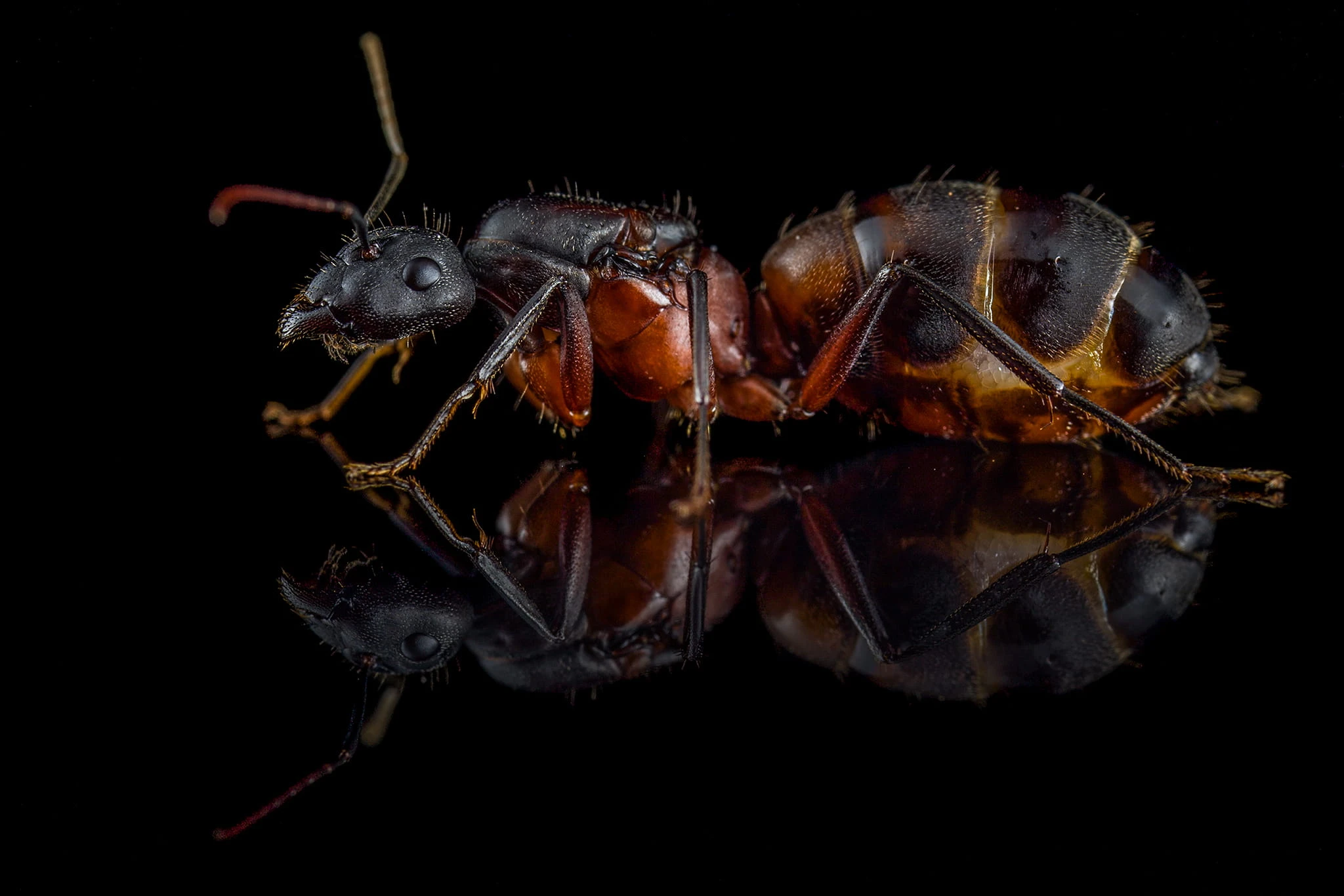
This remarkable species, Camponotus cruentatus, known as the Blood-red Carpenter Ant, is a true aristocrat in the world of European ants. If you're looking for a species to be the centerpiece of your collection, this is the perfect choice. C. cruentatus is visually mesmerizing: it is one of the largest ant species on the continent, combining a matte black body with a royal, bright orange color on the abdomen.
It's not just about beauty, but also strength. This species exhibits impressive polymorphism, meaning that alongside agile minor workers, the colony will feature powerful, muscular major workers, tasked with nest defense and food processing. Observing their aggressive and territorial behavior is a pure joy. These ants are considered relatively easy to keep, although initial ant colony development is slow. Provide them with heat and a winter rest, and they will reward you with a majestic, long-lasting community.
| Feature | Description |
|---|---|
| Difficulty level | Low / Medium (Requires patience in the 1st year) |
| Queen size | 14 – 17 mm |
| Worker size | Minor: 6-9 mm, Media: 9-13 mm, Major: 10-16 mm |
| Coloration | Dark grey/matte black, with bright orange or blood-red spots on the abdomen |
| Outworld temperature | 21 – 28°C |
| Nest temperature | 23 – 28°C (optimal: 24-28°C) |
| Outworld humidity | 30 – 50% |
| Nest humidity | 50 – 60% |
| Diet | Sugars (e.g., honey water, nectars) and feeder insects |
| Hibernation | Yes, 3-4 months at around 10-15°C |
Colony Development and Breeding Features
Founding phase: The queen is fully claustral (does not need food before the first workers appear). In the first year, development is very slow, usually reaching 10-20 workers (patience is required). In subsequent years, the growth rate accelerates significantly, eventually growing into a massive colony (queens can live up to 15-25 years!). To skip this slow stage, you can choose the ant queen with workers variant, which provides a great start to a multi-year adventure.
Heat and Hibernation: Because C. cruentatus is a thermophilic species from Southern Europe, using a heat mat will significantly speed up brood development. Important: in the first year, you can safely skip hibernation to give the colony a "head start". In following years, hibernation becomes essential for the queen's health and fertility.
Diet and Behavior
The base of these ants' diet consists of carbohydrates. Since the ants "love sugar", you should ensure constant access to liquid carbohydrates in the formicarium. They also easily hunt live feeder insects. Endowed with powerful mandibles and showing no fear of larger opponents along with a fair dose of aggression, they seize fleeing prey while spraying them with formic acid.
Ideal Formicarium and Setup
In nature, these ants nest primarily by carving into dead wood (hence the name "Carpenter Ants"). For this reason, you should avoid soft formicarium equipment. We do not recommend thin cork or wood nests, and sometimes even aerated concrete (Ytong) – these ants can chew through them, especially if the nest is damp or cramped. The safest and recommended nests for a professional formicarium are 3D-printed (hard plastic), acrylic, or gypsum (hard) nests.
A tall, spacious outworld with a good anti-escape barrier is recommended, allowing you to safely observe their territorial nature.
Reviews
Reviews
Number of ratings: 21
If you've added a review and it doesn't appear on the list, it may be pending moderation.
Leave feedback on the product
 Log in with Google

Noa