

Substrate for Isopods
Leave feedback on the product

Wybierz wariant produktu:
Individual variants may differ in price
Ask about the product

Administratorem danych osobowych jest PHU Krystian Solga. Przetwarzamy je w celu przesłania odpowiedzi na zapytanie. Więcej informacji dotyczących przetwarzania danych osobowych znajduje się w polityce prywatności.
Share the product card



Shipping cost for the selected product
The shipping cost applies to this product (in the selected variant - if applicable). It may change after adding other products to the cart.
Description
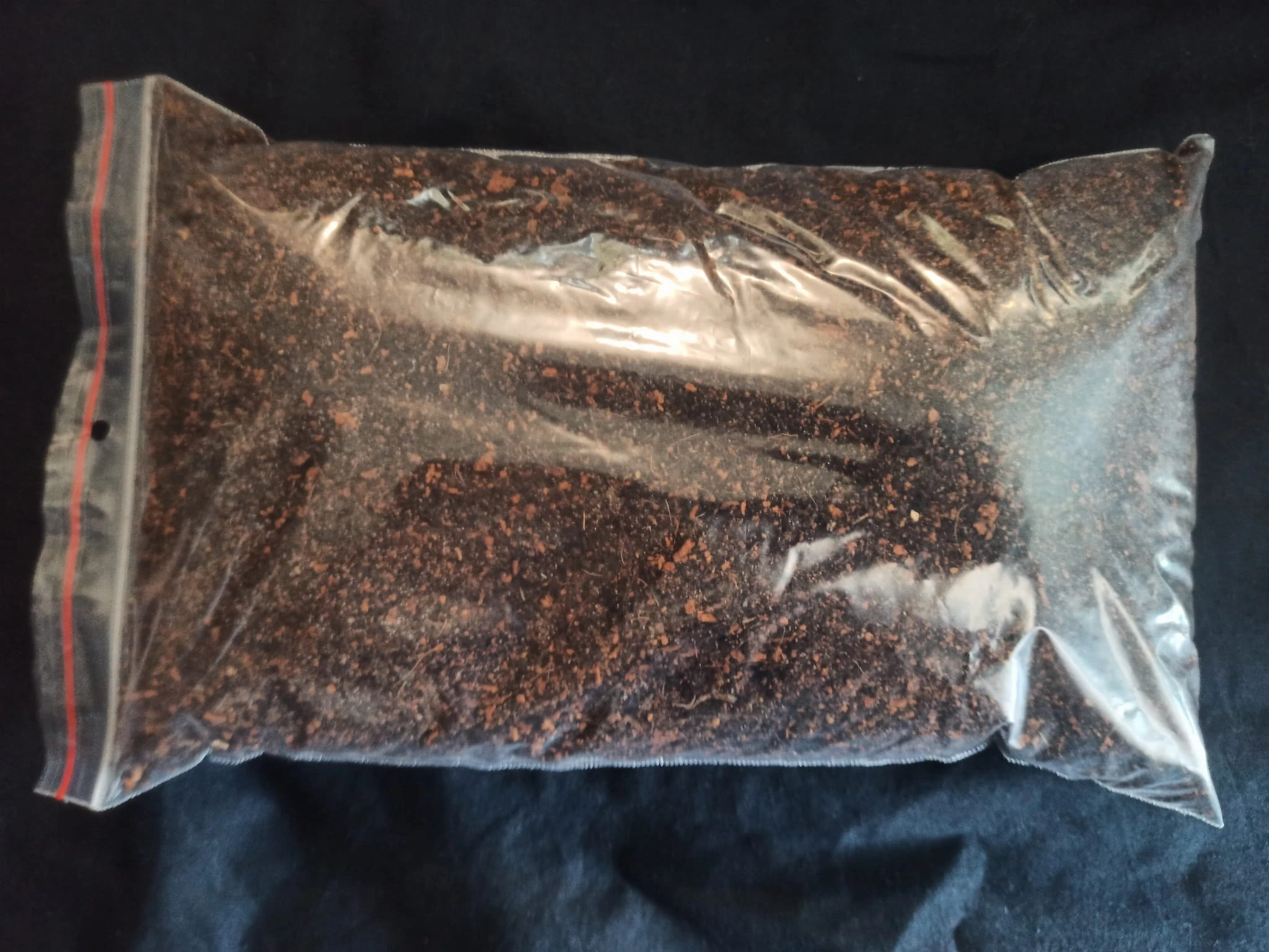
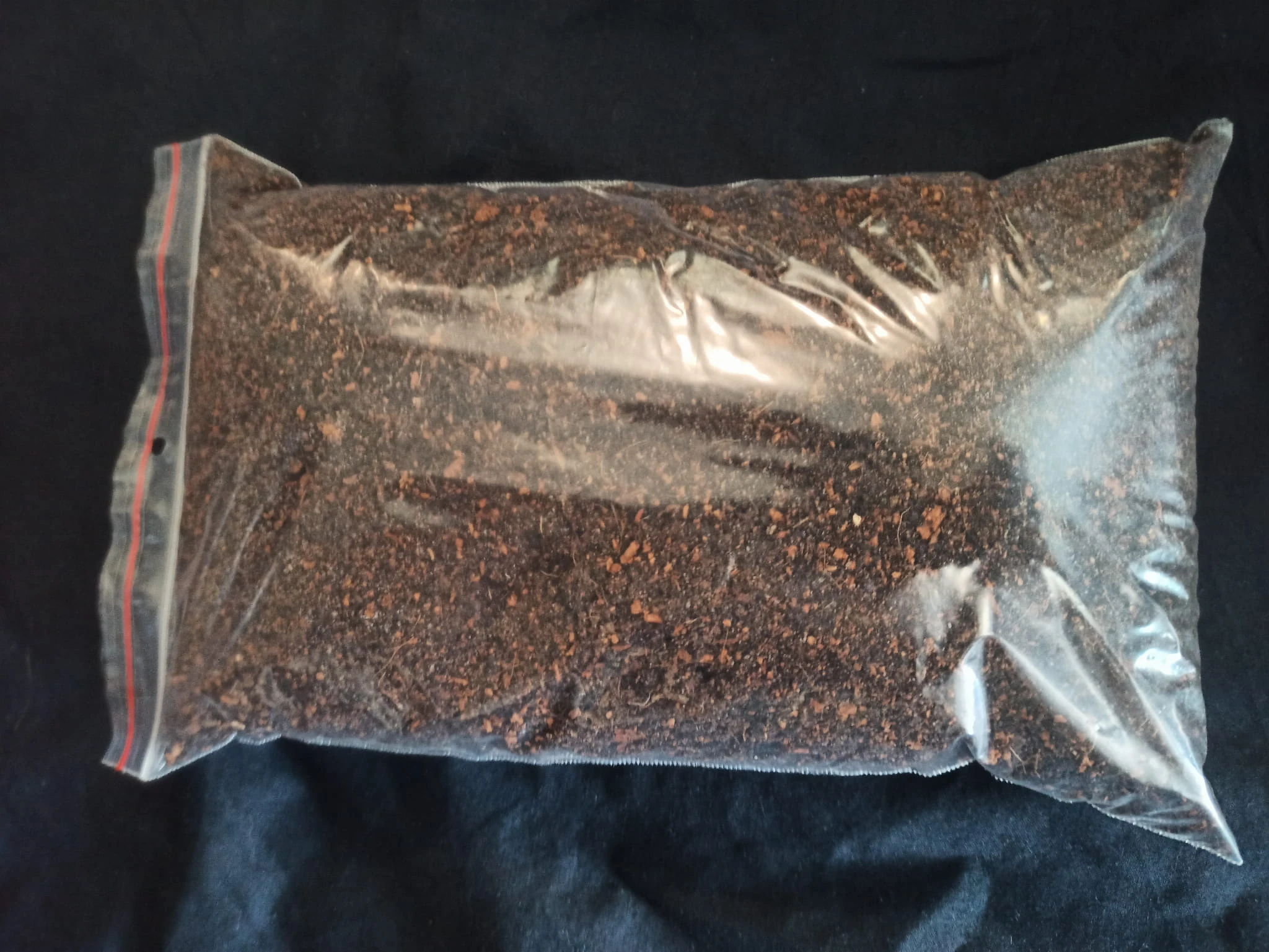
Contrary to what beginners might think, one of the most important factors affecting the breeding rate of isopods is the substrate. It is important not only to provide them with the right nutrients but also to replace the substrate every few months in larger breeding setups. Our substrate for isopod breeding consists of three components.
- Since isopods love oak, the soil comes from an oak forest and contains fragments of leaf litter, such as pieces of acorns, leaves, twigs, etc., making it very fertile. All of it is soaked in cold water for a minimum of two weeks, which should drive away or kill any small organisms. By not subjecting it to heat treatment, important micro and macroelements essential for isopods are not leached or destroyed.
- Chopped oak leaves. The leaves are also soaked deeply for at least two weeks, then chopped and added to the mixture. Soaking makes them more suitable for consumption, and by avoiding heat treatment, they retain their micro and macroelements as well as fungal spores necessary for proper decomposition.
- Pieces of decaying oak. The decomposing matter is subjected to thermal treatment because it would be difficult to clean it through soaking in water alone. The pieces are finely fragmented to ensure a balanced rate of decomposition, neither too fast nor too slow.
- Coconut fiber to increase soil permeability.
The entire mixture is blended and packed into bags, with the addition of free springtails in a sufficient quantity to establish a colony.
NOTE: We make every effort to ensure that there are no other organisms in the substrate, but it is possible that, occasionally, larvae of beetles or earthworms may be present. Due to the prolonged soaking, the soil may have a slight odor for the first few hours (very rarely), but the scent quickly transitions into a pleasant aroma of forest litter.
Całość jest przez nas mieszana i pakowana do woreczków, po czym dorzucane są gratisowe skoczogonki w liczbie wystarczającej, żeby założyć kolonię.
UWAGA! Dokładamy wszelkich starań, żeby w podłożu nie było żadnych innych żyjątek, jednak wiadomo, że nie zawsze uda się tego uniknąć - czasem zdarzy się np. larwa chrząszcza czy dżdżownica. Ze względu na długotrwałe moczenie, ziemia może lekko śmierdzieć przez pierwszych kilkanaście godzin (zdarza się bardzo rzadko), ale zapach szybko przejdzie w przyjemny zapach leśnej ściółki.
Reviews
If you've added a review and it doesn't appear on the list, it may be pending moderation.
Leave feedback on the product
Recommended
-
Price €1.16
-
Price €1.04
-
Price €0.93
-
Price €2.30
-
Price €0.67
-
Price €0.99
-
Price €1.16
-
Price €1.16
-
Price €1.22
-
Price €1.16
-
Price €1.45
-
Price €1.16
-
Price €3.45
-
Price €1.16


 Log in with Google

