

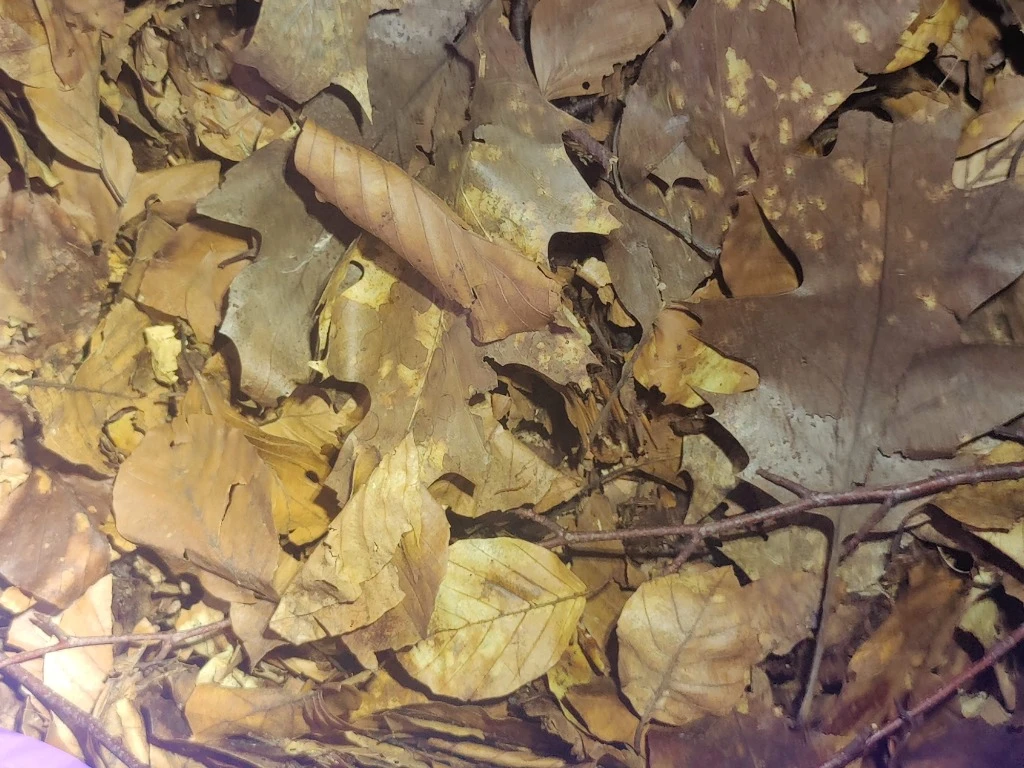
Oak and Beech Leaves for Isopods
Leave feedback on the product

Wybierz wariant produktu:
Individual variants may differ in price
Ask about the product

Administratorem danych osobowych jest PHU Krystian Solga. Przetwarzamy je w celu przesłania odpowiedzi na zapytanie. Więcej informacji dotyczących przetwarzania danych osobowych znajduje się w polityce prywatności.
Share the product card



Shipping cost for the selected product
The shipping cost applies to this product (in the selected variant - if applicable). It may change after adding other products to the cart.
Description
Oak and Beech Leaves - Natural Forest Leaf Litter and Core Diet for the Cleanup Crew
At the base of every thriving deciduous forest lies the leaf litter, the beating heart of the entire ecosystem. It is within this layer that the constant recycling of organic matter occurs, driven by millions of microscopic and small organisms. Our natural oak and beech leaves bring this authentic woodland micro-world directly into your terrarium, vivarium, or paludarium, creating a stable, authentic, and secure habitat for your animals.
Harvested from clean, pristine temperate forests, these leaves are far more than a decorative forest floor element. They are the essential primary food source for detritivores, a natural biological shield suppressing harmful molds, and an indispensable moisture buffer. For any fully functional bioactive setup, high-quality leaf litter is an absolute prerequisite.
| Feature | Description |
|---|---|
| Species in mix | Oak (Quercus) and Beech (Fagus) in varying proportions |
| Origin | Pristine, ecologically clean European deciduous woodlands |
| Condition | 100% natural, raw, unboiled, untreated without chemicals |
| Decomposition level | Seasonal (from dry intact autumn leaves to partially decayed spring leaves) |
| Additional elements | Natural mixture of acorns, beech nuts (mast), and small forest twigs |
| Moisture | Variable, depending on harvest season and weather conditions |
| Primary use | Staple diet for isopods and millipedes, protective litter, ABG and Flake Soil |
| Durability | Extremely high (retains structure for months without turning to mush) |
100% Raw Nature Without Heat Processing
Our leaves are never baked, boiled, or chemically treated. They reach you in the exact state crafted by nature. By skipping aggressive heat sterilization, the leaves retain their full spectrum of vital nutrients, minerals, natural fungal spores, and beneficial microorganisms essential for an active bio-cycle.
Because this is a completely untreated natural product, harmless tiny woodland invertebrates or their traces may occasionally be present. This is the clearest proof of biological purity and the total absence of artificial pesticides.
Seasonal Cycles and Decay Stages
The appearance, texture, and moisture level of the mix reflect the natural seasons:
- Autumn Harvest: Freshly fallen brown leaves with a sturdy structure, completely dry or slightly damp, retaining their complete anatomical shape.
- Winter and Spring Harvest: Leaves that have spent months under snow within the forest litter layer. They are softened, pre-broken down by natural decay, and immediately palatable for the most delicate invertebrates.
Depending on current weather conditions, the leaves may arrive completely dry or slightly damp.
Botanical Composition and Woodland Diversity
Each bag contains exclusively or almost exclusively leaves of two dominant woodland species: oak and beech. Their relative proportions vary between batches - some packs feature predominantly oak, others beech, or a balanced blend. Very minor admixtures of other safe broadleaf species may occur.
The mixture frequently contains natural forest treasures such as acorns, beechnuts, and small twigs. While they make up only a small fraction of the total volume, they enrich the litter layer with diverse microtopography, extra shelter, and valuable wood fiber.
Oak and beech are universally recognized by keepers across Europe as the gold standard for isopods and many other terrarium inhabitants.
How to Prepare Leaves Before Use
Choose the preparation method that best matches your setup and livestock requirements:
Recommended Method for Isopods and Bioactive Terrariums: Cold Water Soaking
For isopods and bioactive enclosures, we strongly recommend submerging leaves in a container of cold water for several weeks prior to adding them to the tank.
Why is cold soaking superior to boiling?
- Preserves Biofilm and Mycelium: Boiling obliterates beneficial fungi and bacteria that serve as the primary food for isopods. Cold soaking keeps this nourishing microflora intact.
- Retains Essential Nutrients: Scalding water leaches out soluble minerals, vitamins, and tannins. Cold water preserves the complete nutritional value.
- Natural Sinking and Softening: Deep soaking hydrates the leaf matrix thoroughly, making it easily edible and preventing leaves from floating in humid zones.
- Safe Removal of Native Organisms: Several weeks underwater safely drowns or encourages native terrestrial hitchhikers to depart.
Quick Method: Boiling Water Scald
If you need sterile leaves immediately (for quarantine enclosures or fragile hatchlings), you can scald the leaves with boiling water for a few minutes, then cool and drain. Be aware that this process strips part of the natural biofilm.
Why Oak and Beech Are the Gold Standard
Oak and beech dominate terraristics for very clear biological reasons:
- Structural Durability and Mold Resistance: Both species have thick, leathery leaf blades rich in lignin and cellulose. In high humidity, they do not collapse into foul sludge and retain their shape for months.
- High Tannin Content: Natural tannins gently lower pH and provide mild antiseptic and antifungal protection, actively checking aggressive mold outbreaks.
- Open Aeration Matrix: Their firm leaves create a loose, well-ventilated forest floor layer that prevents anaerobic dead zones.
Key Applications in Terrariums and Aquatics
1. Staple Nutrition for the Cleanup Crew
Oak and beech leaves provide the core dietary foundation for isopods, springtails, millipedes, and beetle larvae. These animals feed on both the cellulose structure and the rich bacterial biofilm and fungal mycelium growing on the leaf surface.
2. Natural Leaf Litter and Stress-Reducing Shelter
A thick carpet of leaves creates natural subterranean corridors. Poison dart frogs, small geckos, spiders, and mantises eagerly shelter beneath them. Quick access to shaded hides significantly lowers stress levels and improves appetite.
3. Microclimate and Moisture Management
Litter acts as natural mulch, reducing moisture evaporation from deep substrate layers while the top surface stays dry, protecting animals from constant contact with wet soil.
4. Bioactive Substrate Mixes and Flake Soil
Crushed leaves provide crucial aeration in ABG mixes. Furthermore, they are vital for beetle husbandry:
- Supplement to Flake Soil: Mixed with fermented sawdust in 1:1 or 1:2 ratios for flower beetles (Cetoniinae). For rhinoceros beetles (Dynastinae) and stag beetles (Lucanidae), crushed leaves enhance aeration and structural stability.
- Base for Leaf Flake Soil: Finely shredded leaves fermented with a nitrogen and carbohydrate source produce a rich, dark humus substrate for beetle larvae.
5. Blackwater Aquariums and Paludariums
Submerged leaves release beneficial humic substances and tannins, gently buffering pH and creating a natural amber tint ideal for dwarf shrimp (Neocaridina, Caridina) and soft-water fish.
Common Mistakes and How to Avoid Them
- Too thin a litter layer: Maintain a 2-4 cm deep leaf layer to provide a proper humidity gradient and meaningful shelter.
- Boiling leaves for isopods: Boiling strips the nutritious biofilm. Cold water soaking is far better for detritivores.
- Neglecting to replenish: Isopods and springtails quickly reduce leaves to fine humus. Add fresh leaves regularly.
Build an Authentic Forest Ecosystem
Natural oak and beech leaves are the cornerstone of every naturalistic enclosure. Support your cleanup crew, stabilize vivarium microclimates, and recreate true wilderness in your terrarium.
Reviews
If you've added a review and it doesn't appear on the list, it may be pending moderation.
Leave feedback on the product
 Log in with Google
