



i bought this and its awsome
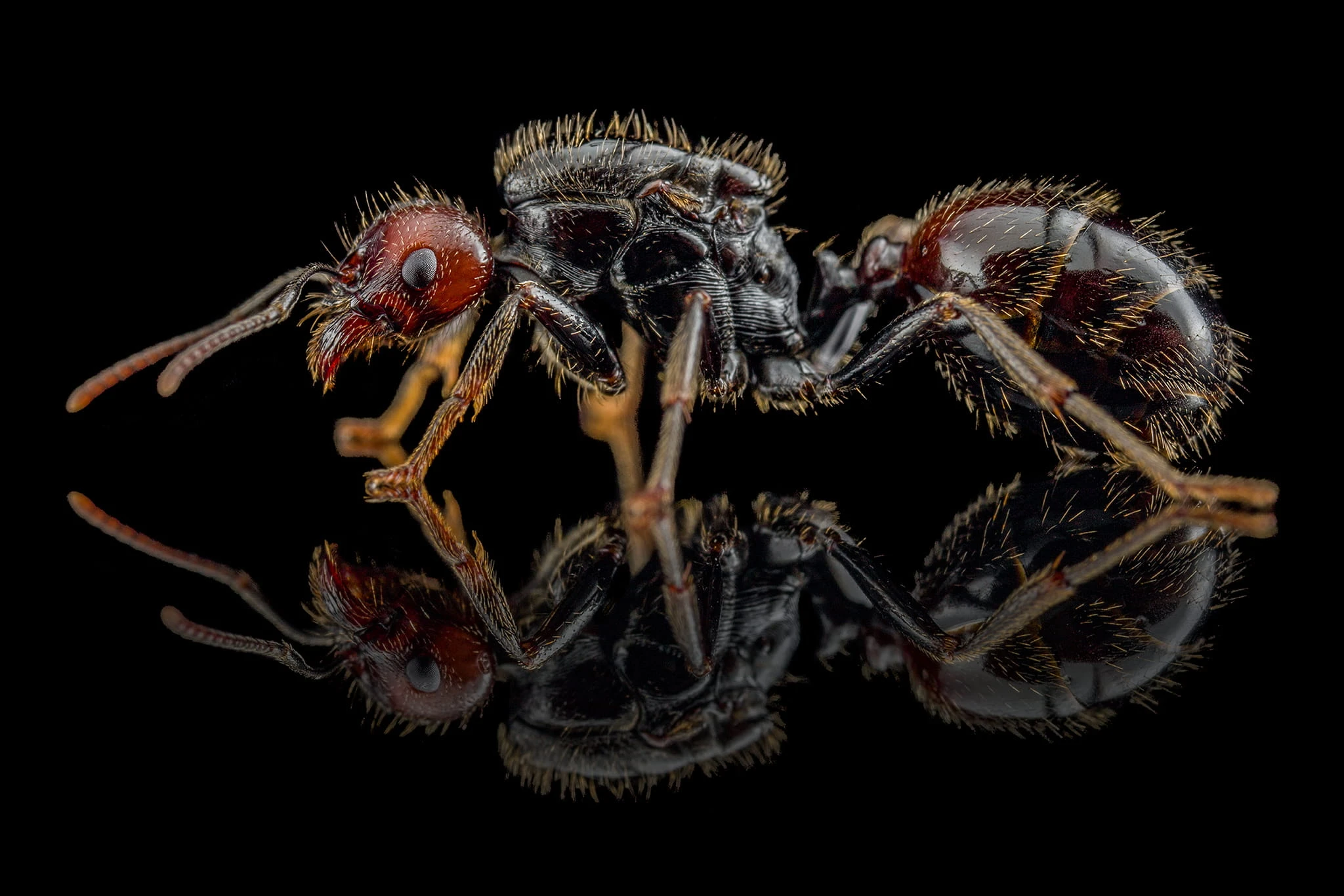
Messor barbarus
Leave feedback on the product

Messor barbarus
€6.83
Price
€6.83
Regular price:
€6.83
0%
The lowest price during 30 days prior to the reduction:
€6.83
0%
€6.83
Price
€6.83
Regular price:
€6.83
0%
The lowest price during 30 days prior to the reduction:
€6.83
0%
Select product variant:
Individual variants may differ in price
in stock
Ask about the product

Messor barbarus
Administratorem danych osobowych jest PHU Krystian Solga. Przetwarzamy je w celu przesłania odpowiedzi na zapytanie. Więcej informacji dotyczących przetwarzania danych osobowych znajduje się w polityce prywatności.
Share the product card



Shipping
from
€2.26
-
InPost Courier
(Poland)
from
€2.26
-
InPost Courier
(Poland)
Shipping cost for the selected product
The shipping cost applies to this product (in the selected variant - if applicable). It may change after adding other products to the cart.
Description
Description
Messor barbarus (European Harvester Ant)
Every great empire has humble beginnings. In the case of Messor barbarus, it all starts with a solitary queen, hidden in the quiet of a dark test tube. By choosing this species, you are not simply picking another animal to observe - you are getting a unique opportunity to witness the birth of a true harvester civilization. It is an epic story of patience, titanic labor, and evolution from a small, defenseless family into a mighty colony of thousands of workers. With each passing month, you will watch your seed-eating ants transform modest grains into growing, carefully organized granaries. And when one day the first worker with a massive, bright red head appears in the nest - you will feel a satisfaction unlike any other hobby.
Messor barbarus is one of the most fascinating ants to keep at home, combining a low entry barrier for beginners with the visual appeal and behavioral complexity of advanced species. In our ant shop, we recommend them with full conviction, as the queen of this species can live from 15 to 20 years. This is not a passing amusement, but a captivating, long-term project that allows you to observe the development of an ant colony from zero to thousands of individuals.
| Feature | Description |
|---|---|
| Scientific name | Messor barbarus (Linnaeus, 1767) |
| Common name | European Harvester Ant |
| Difficulty | Easy |
| Queen size | 14-18 mm |
| Worker size | 3-14 mm (pronounced, continuous polymorphism) |
| Nest temperature | 21-26°C (heating mat recommended) |
| Arena temperature | 22-30°C |
| Nest humidity | 50-70% (gradient required - dry granaries!) |
| Arena humidity | 10-50% (dry zone) |
| Diet | Seeds (primary), feeder insects (protein supplement) |
| Hibernation | Yes - light diapause, 10-15°C for 2-3 months |
| Escape barrier | Talcum powder on arena edges |
| Growth rate | Year 1: 100-300 workers, Year 2: 1000+, mature colonies: 8000-10000 |
| Maximum colony size | 8000-10000 individuals |
From nurses to soldiers: fascinating polymorphism
The greatest visual attraction of Messor barbarus is its spectacular polymorphism - workers of dramatically different sizes and roles live within a single colony. Small nurses of the minor caste (3-8 mm) with glossy black coloring care for brood and handle tasks inside the nest. Medium workers of the media caste (8-12 mm) specialize in foraging and seed grinding. However, it is the major caste (12-14 mm) that is every keeper's pride. These massive ants possess disproportionately large, bright red heads and powerful mandibles that effortlessly crack the hardest seeds. Some individuals even have heads larger than the queen's - some keepers call them supermajors. When threatened, majors form the front line of nest defense, secreting a special defensive fluid and alarm pheromones that rapidly attract reinforcements.
Expectations should be managed: a starter colony will consist only of the queen and small minor workers. This is a natural stage of development. The first major workers typically appear once the colony reaches around 50-75 individuals. The moment you first see a large-headed worker crushing a hard seed that previously challenged her smaller sisters is one of the most satisfying experiences in ant keeping.
It is worth knowing that among Messor barbarus queens, individuals with non-standard coloration occur. The "redhead" variant features a distinctly red head, while the "red" variant goes further - in addition to a red head, it has a reddish abdomen and a characteristic pattern on the thorax. This is not the intense, blood-red hue known from Camponotus ligniperda, but in strong light the difference between a standard black and a red queen is very noticeable, and in macro photography it is absolutely striking. We sometimes have these queens available - check the variant options.
First challenge: the patience test
Before you can admire powerful soldiers and growing granaries, you must face your first and most important challenge. Claustral colony founding is a phase when the queen is extremely sensitive to stress. Vibrations, frequent checking of the test tube, or sudden exposure to light can cause the queen to panic and eat her own eggs or simply die from exhaustion. Your first task as a keeper is not feeding, not building a formicarium - it is absolute patience. If your queen has only eggs, place the test tube in a dark, quiet spot and forget about it for 6-8 weeks. Check in at most once every two weeks, briefly and without moving it. If the queen already has larvae or pupae, the waiting period will be correspondingly shorter. If you choose a variant with workers, this hardest phase is already behind you and you can immediately enjoy watching a growing colony.
The secret of ant bread: harvester diet
A proper diet for Messor barbarus colonies is primarily based on seeds, but requires a strategic approach matched to the stage of development. The way these ants process their food is a true spectacle. Workers spend hours chewing gathered grains, mixing them with their own enzymes and saliva, until a nutritious paste known as "ant bread" is formed. This paste feeds the developing larvae and the queen herself. Interestingly, Messor barbarus do not practice trophallaxis (direct liquid food exchange between individuals) - instead, each worker individually collects food. The ants also secrete a special substance with strong antifungal properties, which they use to coat the walls of storage chambers - protecting their reserves from mold and fungi.
A great advantage of a seed-based diet is colony autonomy. A large Messor colony can survive without care for several weeks, drawing on reserves stored in their granaries. These ants also have distinct food preferences - from a given mix, they choose their favorite seeds first.
It is crucial to understand that young colonies (under 75 workers) have mandibles too weak to handle hard seeds. Offering such a colony a standard mix with sunflower seeds will result in the ants ignoring the food and potentially starving. At the start, only small, soft seeds should be provided: poppy, chia, sesame, fine grasses, dandelion, or flaxseed. Only once the colony grows and develops major workers can harder seeds be introduced - sunflower, hemp seeds, millet, or canary grass.
The diet is supplemented with protein from feeder insects, though the demand is much lower than in predatory species. Young colonies should receive only dead or crushed insects (for example mealworms, crickets, or cockroaches). Once the colony grows and large workers appear, live feeder insects can be introduced, which will stimulate their natural instincts. This species does not require liquid carbohydrates at all - do not offer honey water or syrup. Harvester ants will simply bury it, treating the wet spot as a threat to the dryness of their granary.
Humidity gradient: the key to success
In nature, Messor barbarus builds deep underground nests with a very distinct microclimatic division. Humid chambers serve for raising brood, while absolutely dry chambers function as granaries. Replicating this gradient in captivity is the foundation of success.
Humidity management in the formicarium must be deliberate: part of the nest should be moistened to 50-70% for proper egg and larval development, while the arena and storage zone must remain dry (10-50%). Never moisten the entire nest - only hydrate one corner and let moisture spread naturally. Flooding the arena or granary is the fastest path to a mold disaster.
When choosing a professional formicarium for this species, opt for a modular acrylic nest or 3D-printed nest. Both provide excellent visibility, great humidity control, and security - these ants can eventually chew through softer materials. Gypsum and aerated concrete (Ytong) nests also work very well. With cork nests, be cautious and do not over-humidify them, as combined with stored seeds they can quickly develop mold.
A steady supply of clean water on the arena is helpful. However, keep in mind that Messor barbarus are rather clumsy and drown very easily - even in a small puddle. When selecting ant keeping accessories, ensure a safe water feeder with a drowning barrier (cotton, sponge, or small stones). To prevent escapes from the arena, we recommend standard talcum powder applied to the upper edges of the walls.
Hibernation and growth rate
This species originates from regions where winters are mild but noticeable. It requires a so-called light diapause - from November to February, temperature should be gradually lowered to 10-15°C. Unlike many European species, these ants do not fall completely dormant during hibernation. They remain active, moving about and reaching for stored ant bread reserves, but their development slows and the queen rests from egg-laying. This rest is crucial for her long-term health and fertility. Simply disconnect the heating and move the formicarium to a cooler room.
An interesting fact is the unusual timing of nuptial flights - Messor barbarus swarms take place in autumn, between September and November, while most European ants fly in spring and summer.
Under optimal conditions (especially temperatures of 21-26°C with supplemental heating), colony growth is impressive. In the first year, you can expect 100-300 workers. In the second year, the colony can exceed a thousand individuals. Mature, long-established colonies reach up to 8000-10000 ants. In nature, they create extensive foraging trails up to 40-70 meters long. Interestingly, in the wild, harvester ants participate in a phenomenon called myrmecochory - many plant species produce special fat-rich appendages (elaiosomes) on their seeds, which serve as food for ants. Foragers transport such seeds to the nest, consume the nutritious appendage, and discard the rest onto fertile soil around the nest. In Europe alone, over 150 plant species regularly rely on this form of seed dispersal.
Common mistakes and how to avoid them
Even the best preparation does not exempt you from vigilance. Here are the most common problems that both beginner and experienced keepers may encounter:
- Mold - enemy number one. Excessive humidity in the granary zone will cause seeds to germinate and rot. Rigorously maintain the humidity gradient and regularly clean food remains from the arena.
- Queen not laying eggs or eating brood - almost always caused by excessive stress (vibrations, light, frequent checking). Give the colony peace, especially during the claustral phase. Also ensure the queen has undergone hibernation - lack of diapause disrupts her reproductive cycle.
- Growth stagnation - most commonly caused by temperatures that are too low. Apply a heating mat under part of the formicarium to maintain the optimal range of 21-26°C. Note: do not heat a solitary queen during the claustral phase - excessive heat without workers to regulate conditions can kill her.
- Drowning - due to their build, they easily drown even in small amounts of water. Always secure water feeders with cotton or stones.
- Mites - appear with neglected arena hygiene and rotting insect remains. Regularly remove uneaten protein remains, ideally within a few hours.
Reviews
Reviews
Number of ratings: 145
If you've added a review and it doesn't appear on the list, it may be pending moderation.
Leave feedback on the product

hienoze