

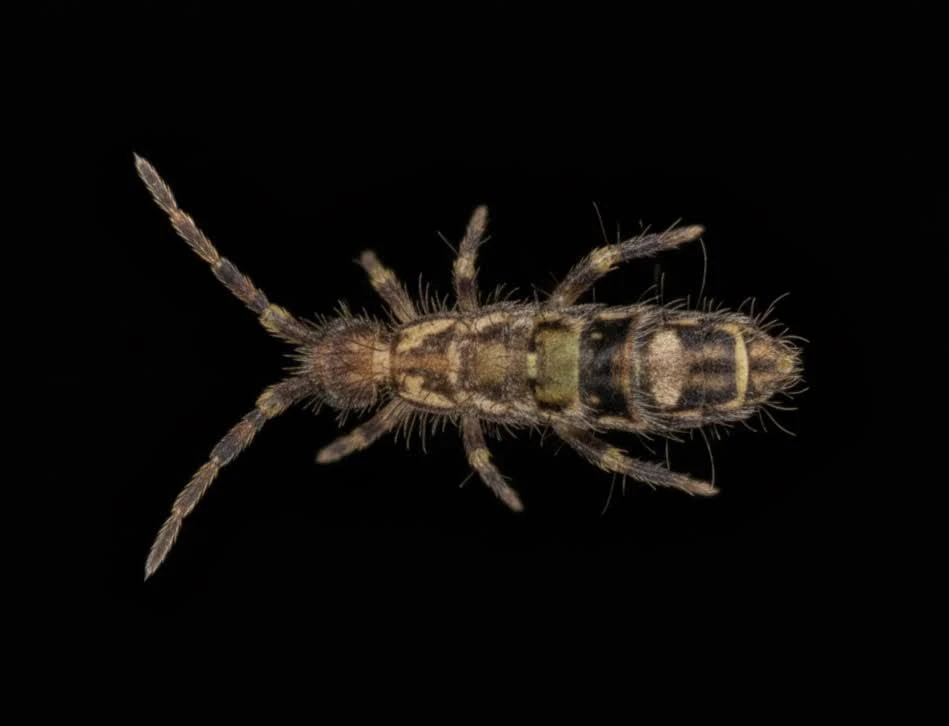
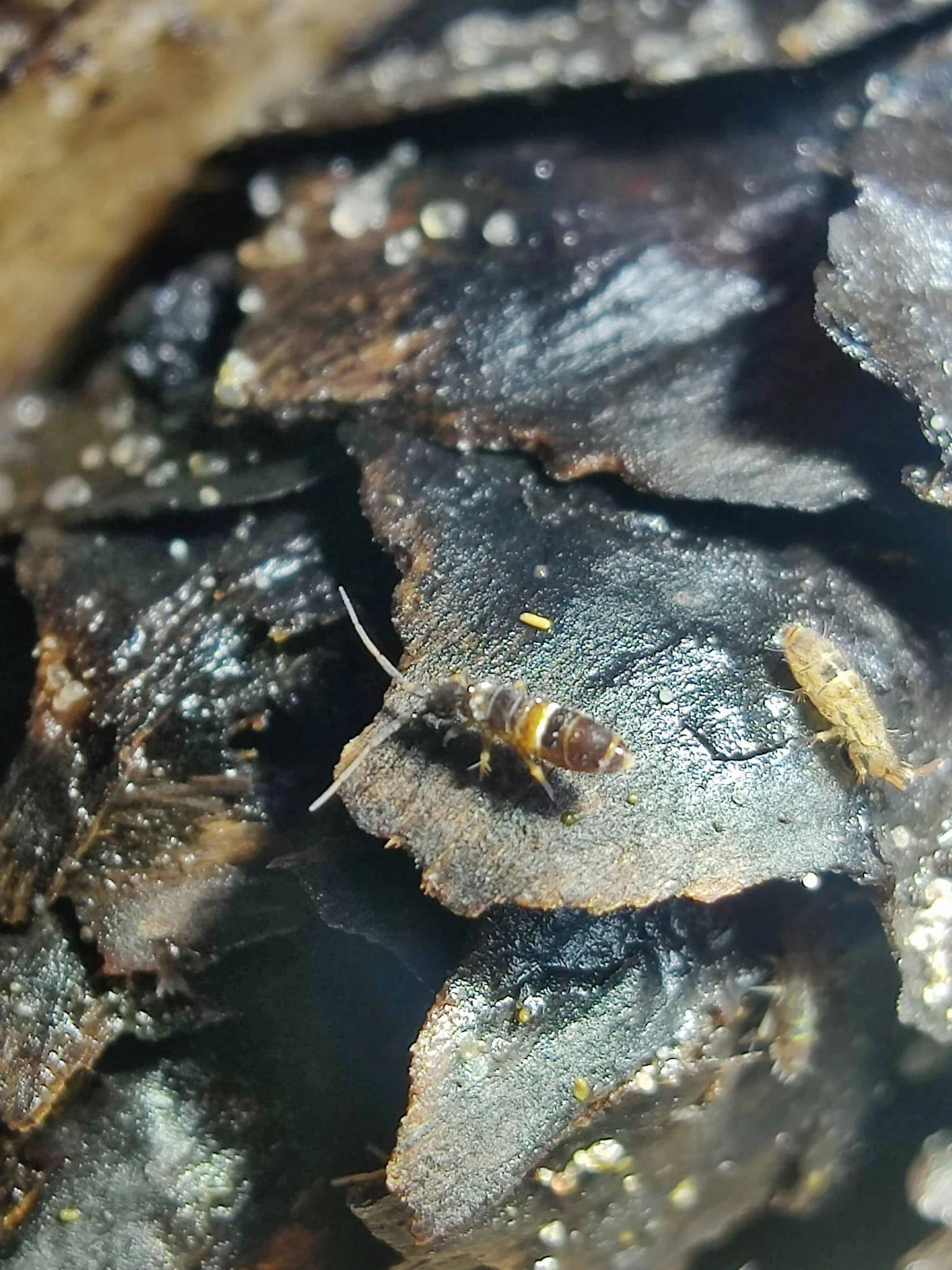
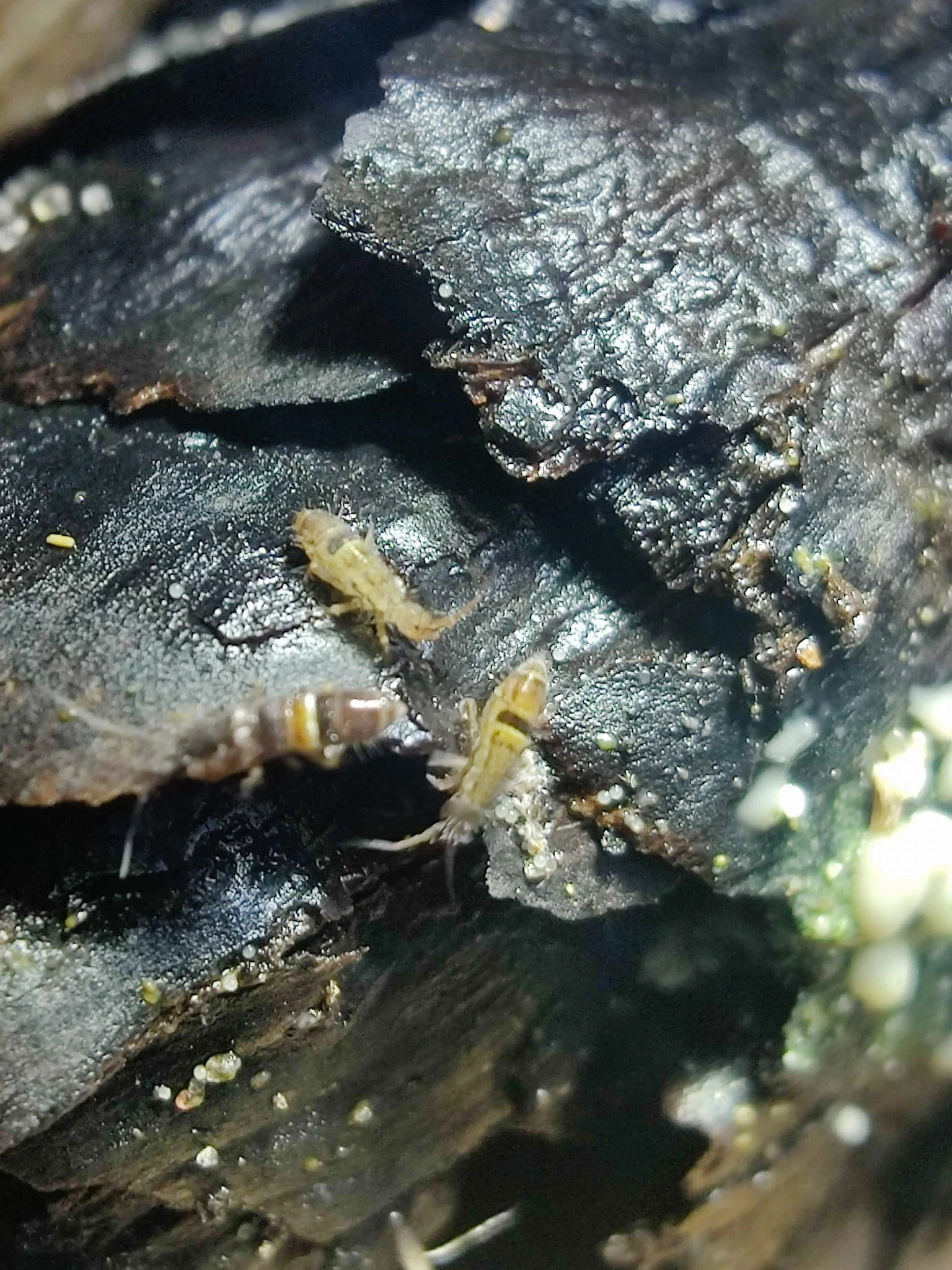
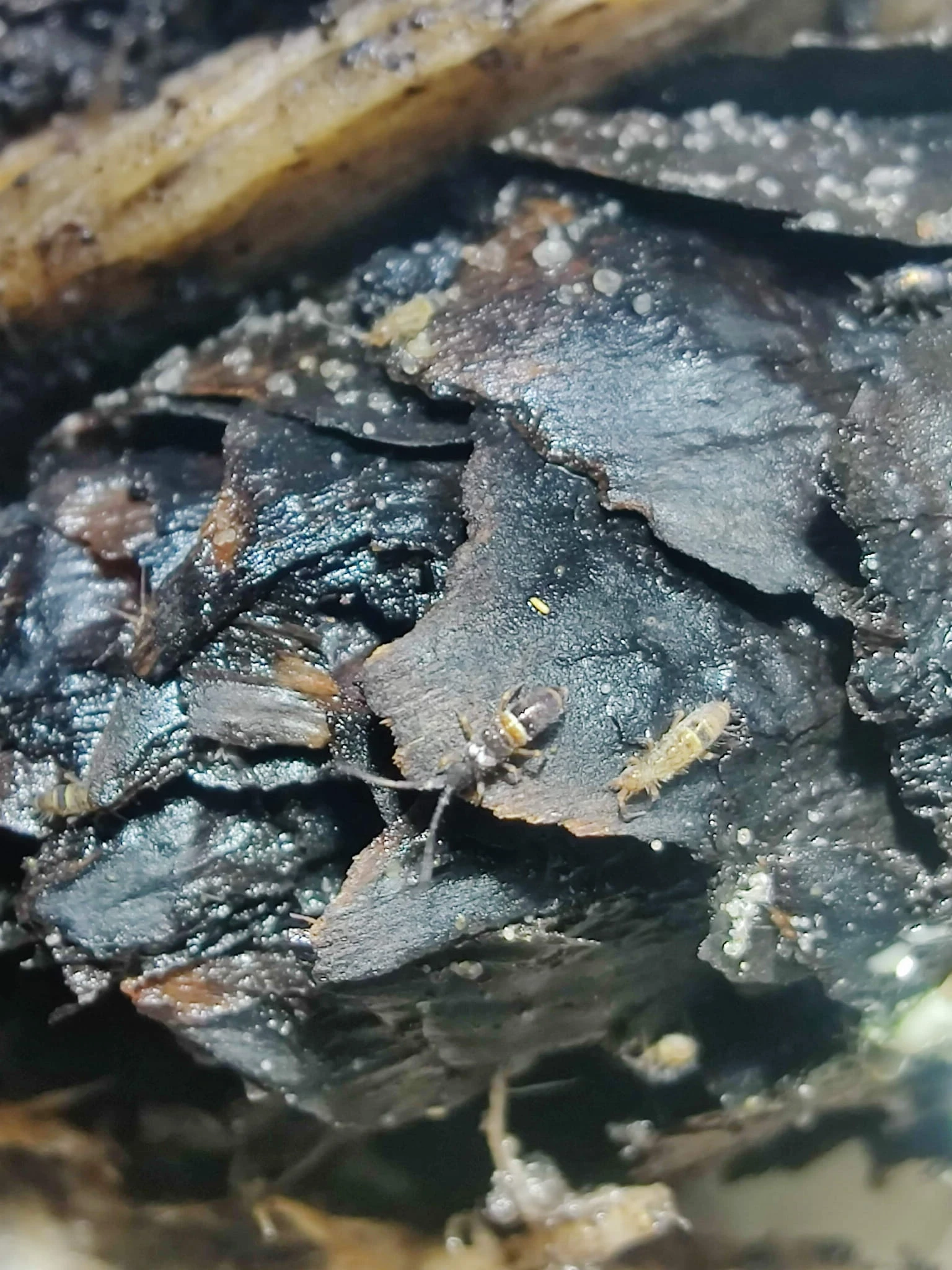
Orchesella cincta - Banded Springtail
Leave feedback on the product

Wybierz wariant produktu:
Individual variants may differ in price
Ask about the product

Administratorem danych osobowych jest PHU Krystian Solga. Przetwarzamy je w celu przesłania odpowiedzi na zapytanie. Więcej informacji dotyczących przetwarzania danych osobowych znajduje się w polityce prywatności.
Share the product card



Shipping cost for the selected product
The shipping cost applies to this product (in the selected variant - if applicable). It may change after adding other products to the cart.
Description
Orchesella cincta (Banded Springtail) – A Phenomenal Clean-up Crew for Your Terrarium
Are you tired of a clean-up crew that is barely visible in the substrate? Do you want your terrarium to be teeming with life on every level? Introducing Orchesella cincta (Banded Springtail) – one of the largest, most beautiful, and most active European springtails, which will become not only a tireless worker but also a living decoration for your bioactive ecosystem.
Why is the Banded Springtail an Exceptional Choice?
- Impressive Size and Appearance: Forget about tiny white dots! O. cincta reaches a length of 3-5 mm, making it perfectly visible to the naked eye. Its most characteristic feature is a wide, dark band on the third abdominal segment, from which its Latin name cincta ("banded") is derived. This contrasting pattern makes it one of the most visually attractive springtails.
- Surface Cleaning Specialist: Unlike most springtails that live deep in the substrate, the Banded Springtail is an epigeic – surface-dwelling species. It actively patrols the leaf litter, roots, branches, and other decor elements, filling a unique niche. It's your "Surface Patrol," removing mold and food scraps where other species can't reach.
- Fascinating Biology and History: This isn't just any "bug." It is a species described by Linnaeus himself in 1758, used in science as an indicator of soil health. By owning them, you are bringing an organism of documented ecological importance into your home.
- Beautiful Color Morph: In our population, about 20% of the individuals are the color morph vaga. These beautiful, black springtails stand out even more than the standard colored cincta.
The Key to Success in Keeping – A Guide
Keeping a culture of Orchesella cincta is simple if you understand its key need – a humidity gradient. This is the secret that guarantees success.
- Container and Ventilation: Use a sealed container (min 500 milliliters) with good ventilation. You can regularly open the lid or make a hole in it secured with a dense mesh or a piece of paper towel. Tall and narrow containers will work better than low and wide ones.
- Humidity Gradient (The Most Important Rule!): If you use a flat container, only mist one of its sides. If you use a taller container, simply build it vertically - place substrate and leaves at the bottom, and lean a stick or two with lichens against the walls.
- Sensible Feeding: The basis of the diet is dry yeast (baker's or brewer's). The optimal diet is most easily achieved by buying a few grams of our proprietary springtail mix. Provide a small amount on the moist part of the substrate and only replenish when the previous portion is gone. Never overfeed! This is the main cause of mold and mite development.
A Charming Imperfection – Why Are the Antennae Different lengths?
Have you noticed that your springtail has one antenna shorter than the other? This is not a flaw, but fascinating proof of its health and activity! O. cincta molts throughout its life. During active exploration of the leaf litter, mechanical damage to an antenna often occurs, which is then regenerated during the next molt. The different lengths of the antennae are a natural and charming feature of this species!
Comparison: Orchesella cincta vs. Common White Springtails
| Feature | Orchesella cincta (Banded Springtail) | Standard White Springtails (e.g., Folsomia) |
|---|---|---|
| Size | Large (3-5 mm) | Small (1-2 mm) |
| Visibility | Very high, a display species | Very low, hidden in the substrate |
| Niche in terrarium | "Surface Patrol" (leaves, bark, decor) | Deep substrate layers |
| Appearance | Attractive, contrasting "banded" pattern | Uniformly white |
| Main Role | Surface cleanliness + Aesthetics | Substrate cleanliness |
Reviews
If you've added a review and it doesn't appear on the list, it may be pending moderation.
Leave feedback on the product
Recommended
-
Price €1.16
-
Price €2.30


 Log in with Google

