



Rhombodera kirbyi
Leave feedback on the product

Select product variant:
Individual variants may differ in price
Ask about the product

Administratorem danych osobowych jest PHU Krystian Solga. Przetwarzamy je w celu przesłania odpowiedzi na zapytanie. Więcej informacji dotyczących przetwarzania danych osobowych znajduje się w polityce prywatności.
Share the product card



Shipping cost for the selected product
The shipping cost applies to this product (in the selected variant - if applicable). It may change after adding other products to the cart.
Description
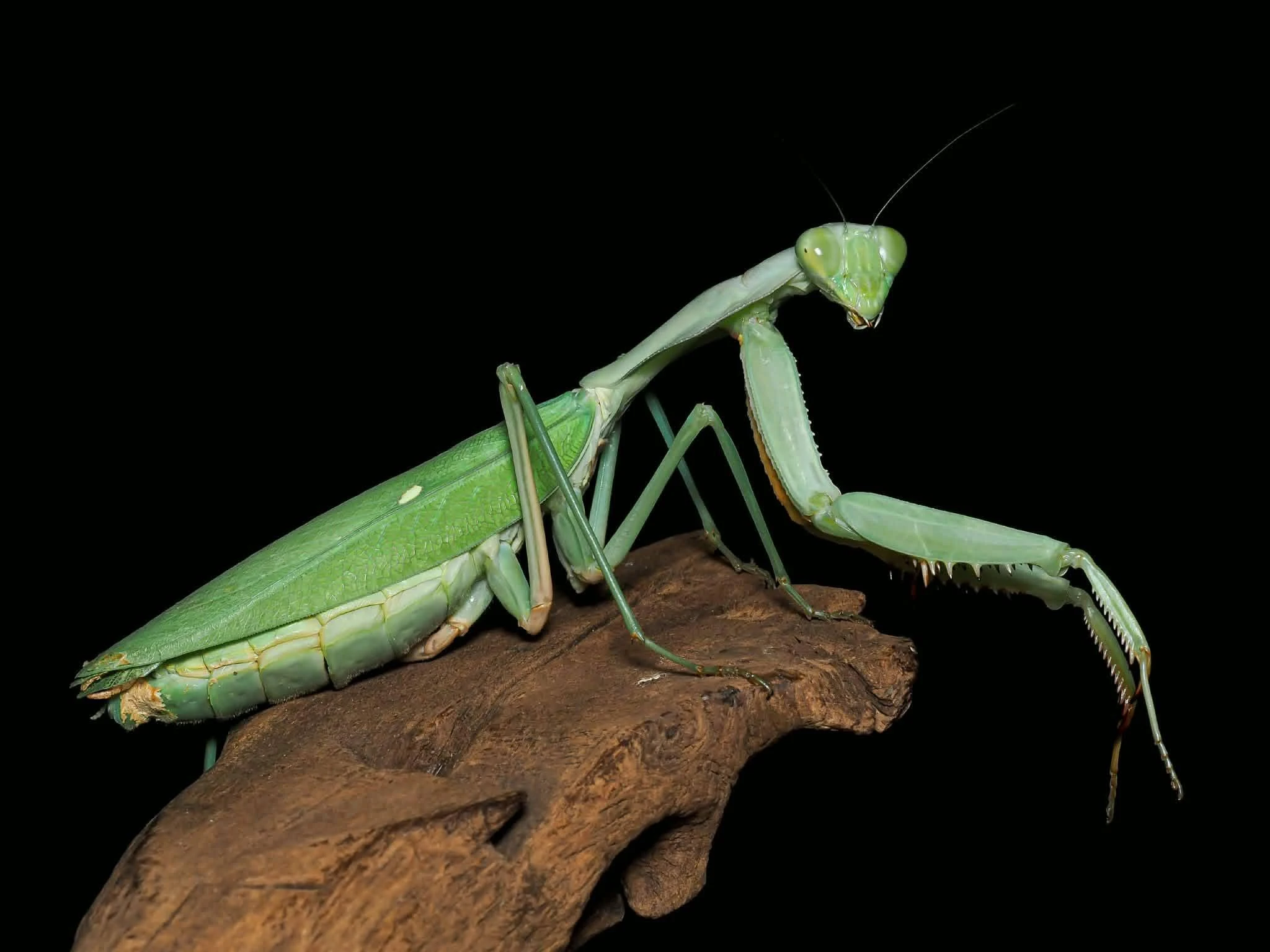
Rhombodera kirbyi (Timor Shield Mantis)
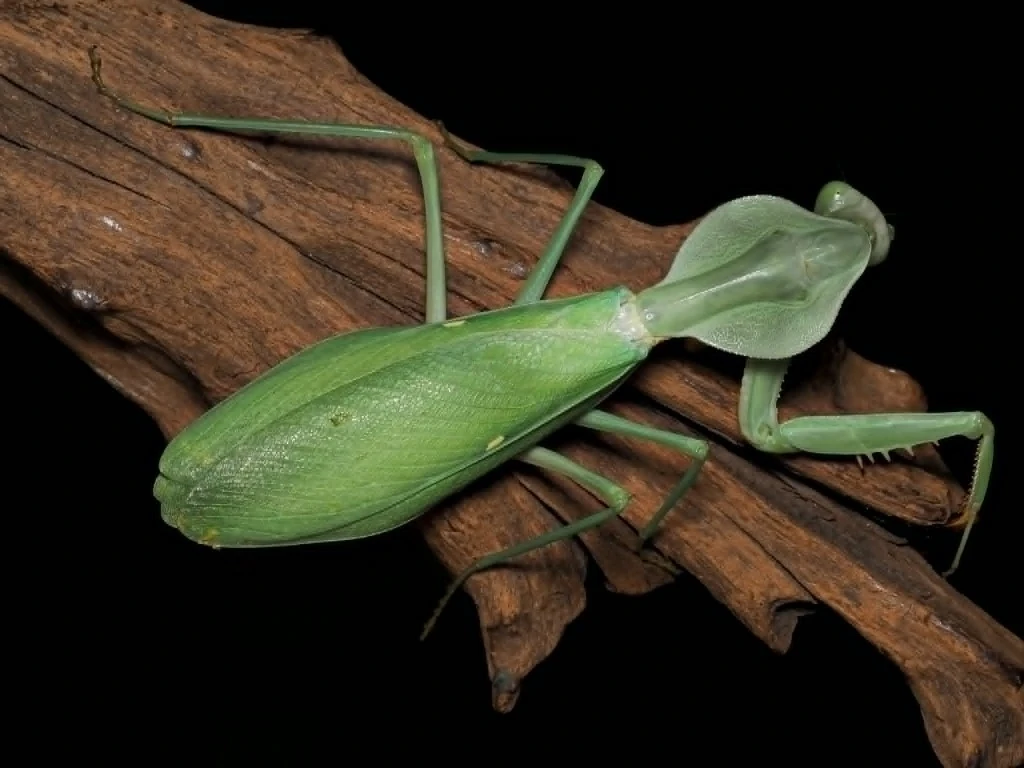
We present one of the most impressive and desired species in the world of terrarium keeping. Rhombodera kirbyi, commonly known as the Timor Shield Mantis, is a true giant among mantises. Its hallmark is a spectacular and unnaturally wide pronotum resembling a shield or hood. This gives it the appearance of an almost "cosmic" predator.
This species combines an incredible body mass, a huge appetite and an extremely active lifestyle. Unlike many other mantises that remain motionless for hours, Rhombodera kirbyi is a dynamic hunter that actively patrols its territory. It is an exceptionally resilient insect, which makes it an excellent choice for both fascinated beginners and demanding professionals.
Breeding Parameters at a Glance
| Feature | Description |
|---|---|
| Scientific name | Rhombodera kirbyi (Beier, 1952) |
| Common name | Timor Shield Mantis |
| Origin | Southeast Asia (Timor, Malaysia, Java, Philippines) |
| Size (Imago) | Females 10-11 cm, Males 8-8.5 cm |
| Temperature | 24-30°C (75-86°F) during the day (nighttime minimum 20°C (68°F)) |
| Humidity | 60-80% (Cross ventilation is absolutely required!) |
| Diet | Only flying insects (fruit flies, flies, moths). Feeding crickets is forbidden! |
| Temperament | Active hunter, aggressive towards prey, extreme cannibalism |
| Difficulty level | For beginners and advanced keepers |
Cosmic Appearance and Variable Coloration
Adult females are true "tanks" of the insect world. They reach up to 11 centimeters in length, and their wide abdomen and massive shield on the neck command respect. The exoskeleton is perfectly smooth and shiny, almost waxy. Males are noticeably smaller, more slender and have longer wings, which makes them excellent aviators looking for partners.
Important note regarding colors: This species shows incredible color plasticity. Young nymphs are most often brown or earth-colored, but their color evolves with every molt. Adults most often take on the color of vibrant, multi-tone green. However, there are creamy white, yellow, deep brown and in rare cases even bluish specimens. When buying a young nymph, you must be ready for a fascinating surprise once it reaches adulthood.
Spectacular Defensive Display (Deimatism)
When Rhombodera kirbyi feels threatened, it does not run away. Instead it instantly rears up, spreads its spiky raptorial arms to the sides and opens its wings wide to present hidden contrasting colors. This wall of chitin is meant to shock the attacker. Observing this behavior in the terrarium is an unforgettable experience. Remember however not to provoke the insect deliberately for fun, as this generates a huge amount of stress for it.
Terrarium Requirements: How to Ensure Success?
Providing the right conditions is simple as long as you follow three iron rules of environmental engineering for this species.
- Vertical space and mesh ceiling (Critical!): Mantises must shed their exoskeleton hanging upside down. The height of the terrarium must be an absolute minimum of 3 times the insect's body length. The ceiling of the tank must be covered with a mesh or fabric (e.g. mosquito net, tulle). A glass or smooth plastic ceiling will cause the insect to fall during the molt, which always ends in its death.
- Cross ventilation: This is a rainforest species that requires humidity at the level of 60-80%. The terrarium should be misted daily. Stagnant, stuffy air will kill the mantis by causing bacterial infections. The tank must have large ventilation holes on opposite walls (e.g. bottom front and top).
- No water bowls: Mantises cannot drink from standing water tanks and can easily drown in them. They drink exclusively water drops deposited on the walls and leaves after misting.
Feeding Protocol: Categorical Ban on Crickets!
Rhombodera kirbyi naturally hunts in the tree canopy for soft, fast-moving flying insects. Its digestive system is evolutionarily adapted to them.
What to feed?
- Nymphs (L1-L3): Flightless fruit flies (Drosophila melanogaster, later Drosophila hydei).
- Subadults and Adults: Large flies (e.g. hatched from fishing maggots), moths and occasionally locusts. Flying food naturally heads towards the top of the terrarium straight into the arms of the mantis.
What to avoid like the plague?
It is absolutely forbidden to feed crickets from mass commercial breeding. They are often carriers of pathogens and nematodes that cause a fatal blockage of the digestive system in mantises, manifesting as "black vomit". Even worse, a cricket with strong mandibles left in the terrarium can attack and eat the mantis during its defenseless molting phase. Avoid also hard roaches burrowing in the substrate. An arboreal mantis will simply not go down for them.
Reviews
If you've added a review and it doesn't appear on the list, it may be pending moderation.
Leave feedback on the product

