



Hawaiian Beetles
Leave feedback on the product

Wybierz wariant produktu:
Individual variants may differ in price
Ask about the product

Administratorem danych osobowych jest PHU Krystian Solga. Przetwarzamy je w celu przesłania odpowiedzi na zapytanie. Więcej informacji dotyczących przetwarzania danych osobowych znajduje się w polityce prywatności.
Share the product card



Shipping cost for the selected product
The shipping cost applies to this product (in the selected variant - if applicable). It may change after adding other products to the cart.
Description
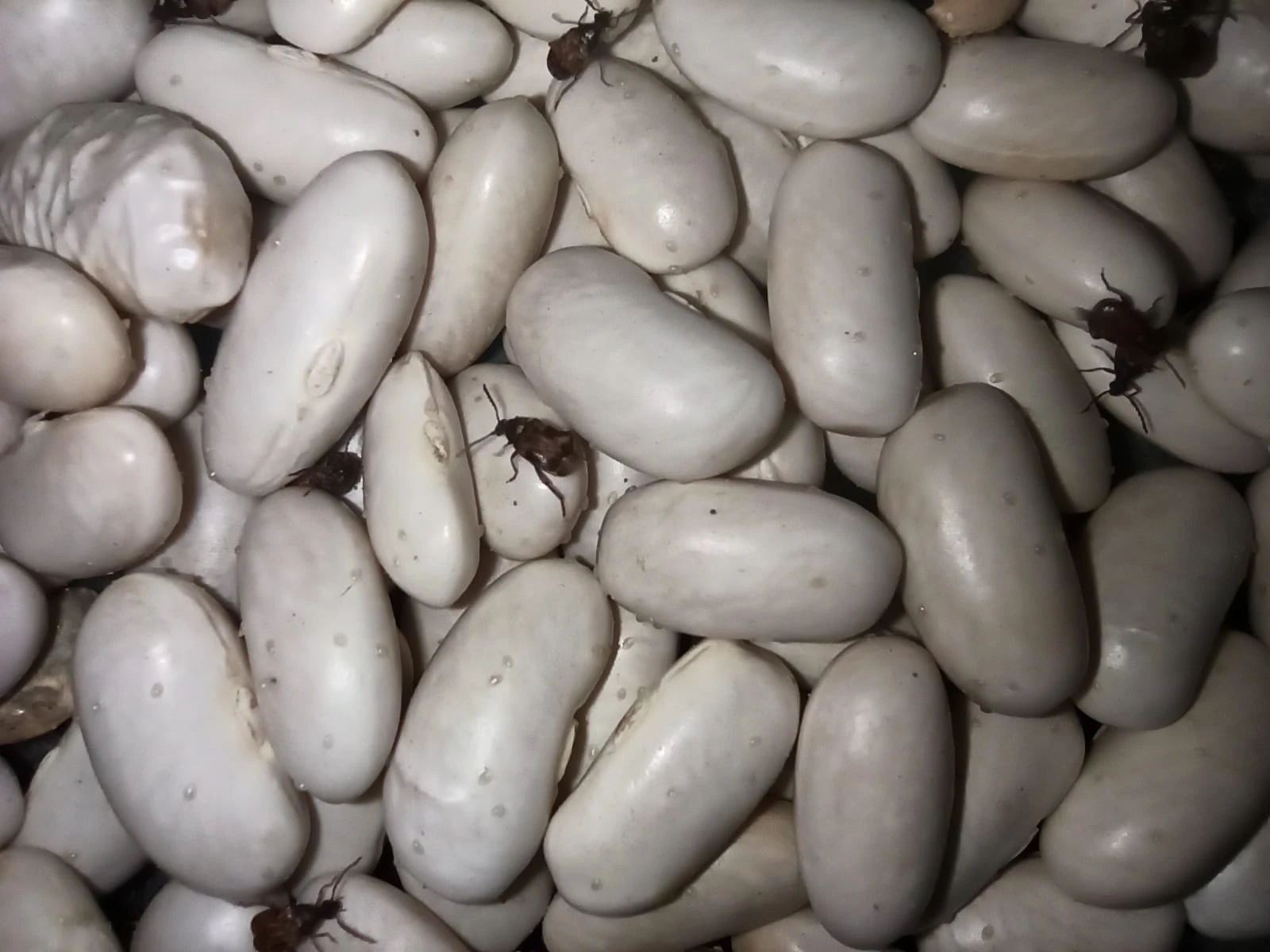
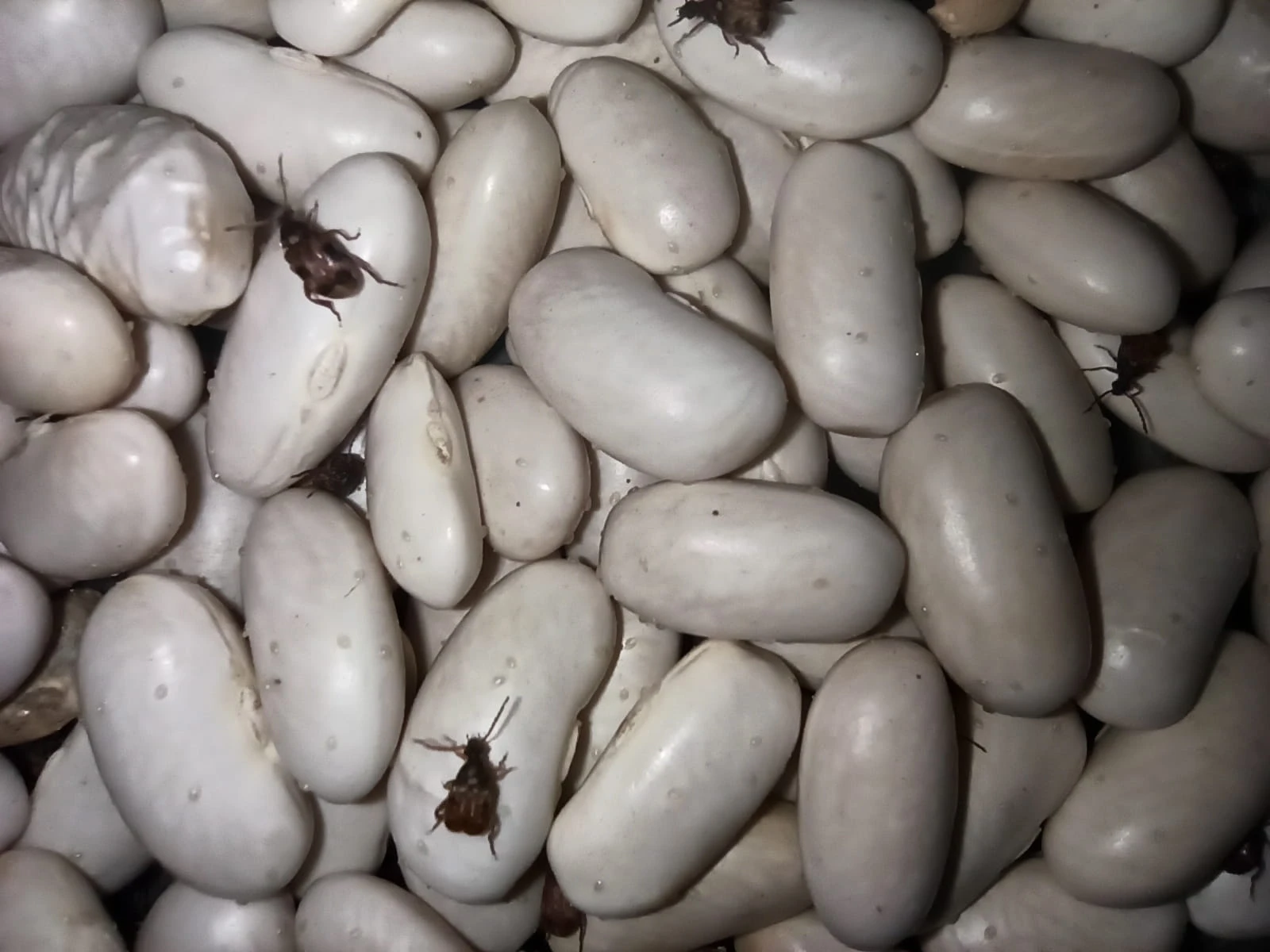
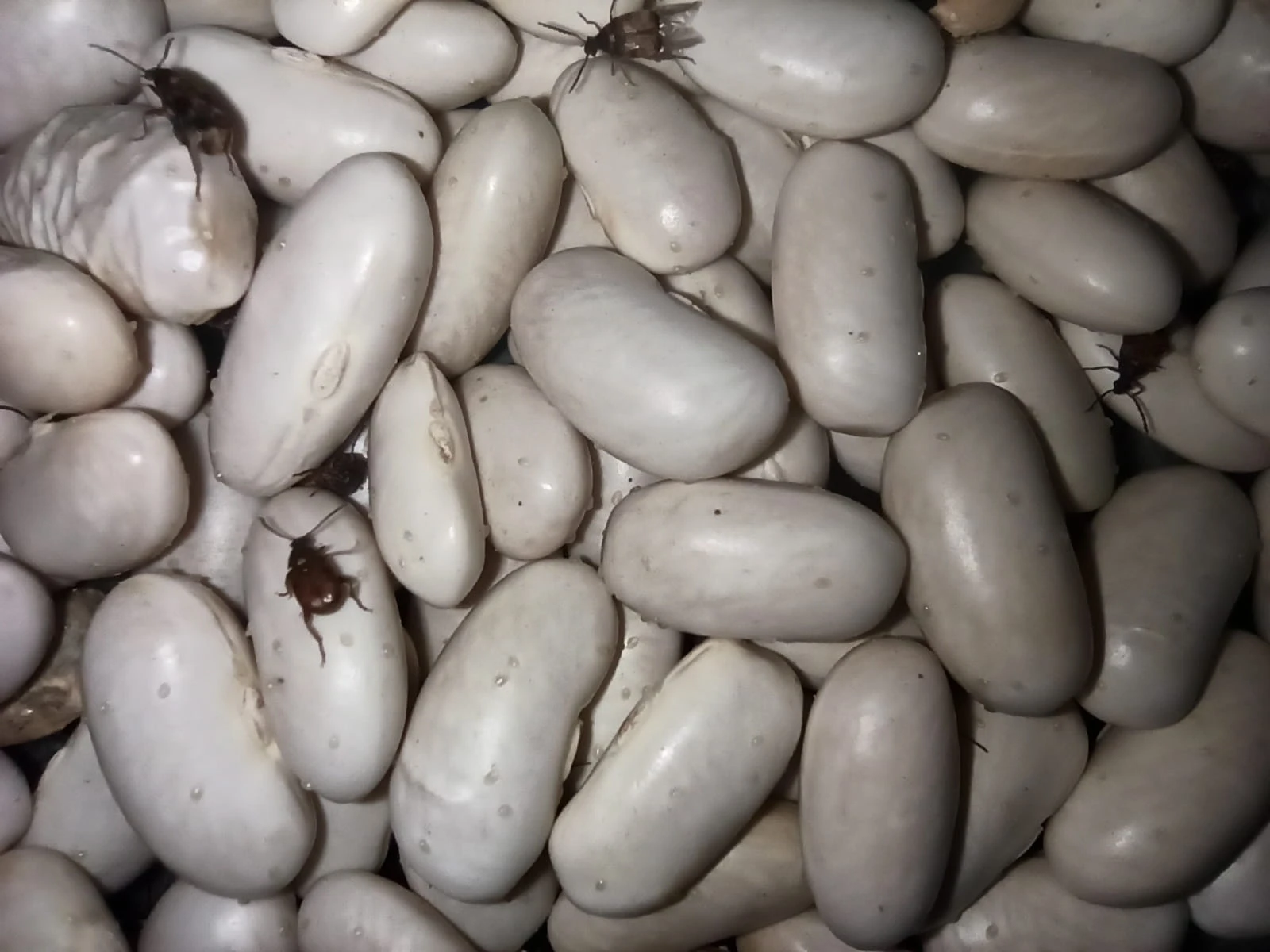
The beetles colloquially termed "Hawaiian beetles" belong to the genera Acanthoscelides spp. or Callosobruchus spp. Although the exact species aren't identified, all the species within these genera serve as excellent feeder insects. The name "Hawaiian beetles" is a misnomer since they are not from Hawaii. These beetles are small, about 2-4mm in size, and the name refers to several dozen species. Their breeding is incredibly straightforward: place beetles and beans in a ventilated container, and the breeding setup is complete. They do not require moisture or additional food as long as beans are available, which can sustain them for months. Depending on the conditions, particularly temperature and bean quantity, you can expect a significant increase in their numbers within months. For quicker colony growth, a temperature of about 29 degrees Celsius (84.2 degrees Fahrenheit) is optimal, while a cooler temperature of around 22 degrees Celsius (71.6 degrees Fahrenheit) will result in slower development. These beetles are excellent for feeding ants, spiders, mantises, geckos, and many other animals. They are especially useful for those new to breeding, those seeking low-maintenance feeder insects, or individuals contending with mite issues in their cultures, as the conditions in the beetle container do not support most mite species. Additionally, their size makes them an ideal food source for many small ant colonies.
Reviews
If you've added a review and it doesn't appear on the list, it may be pending moderation.
Leave feedback on the product
 Log in with Google

