

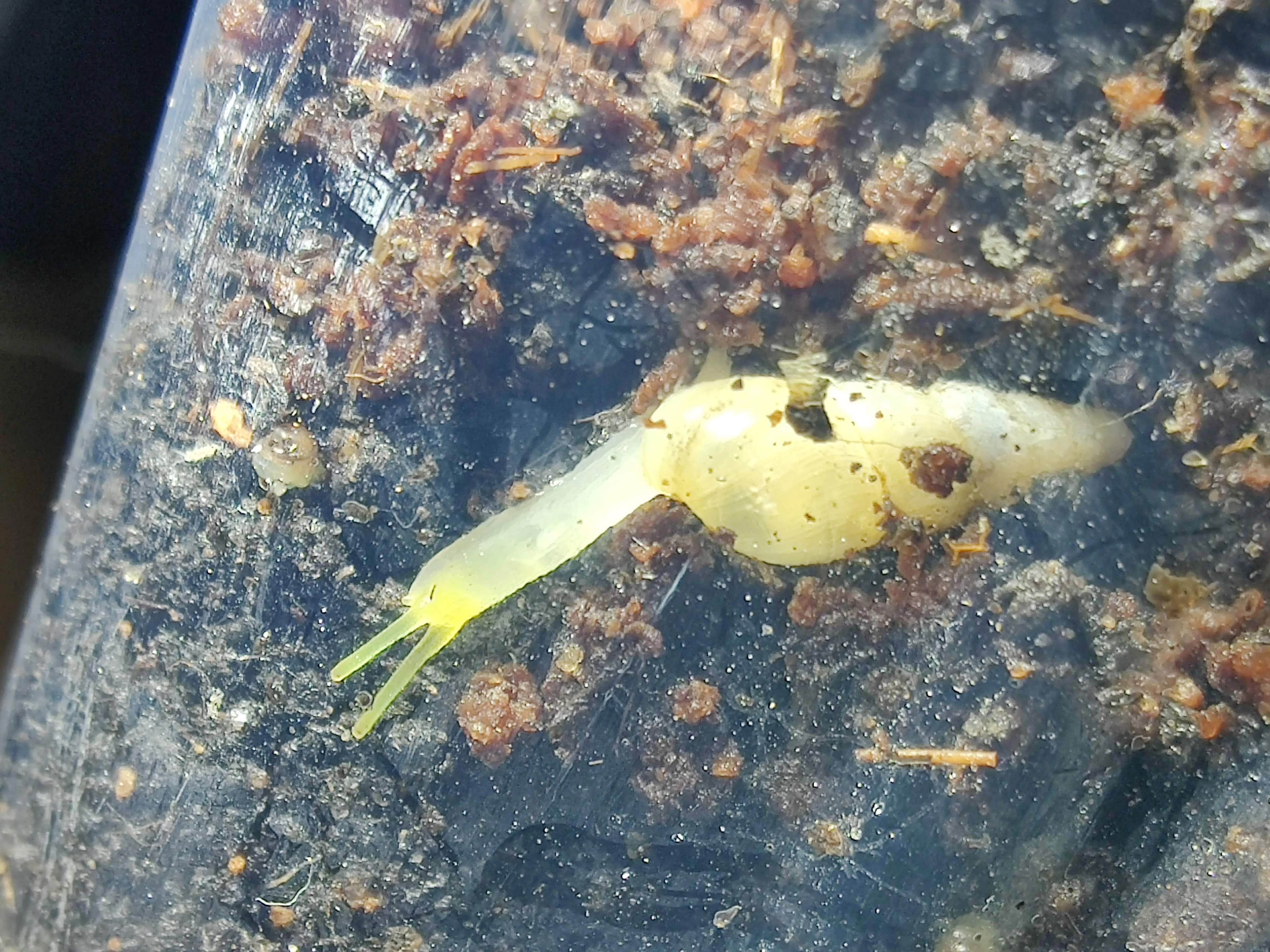
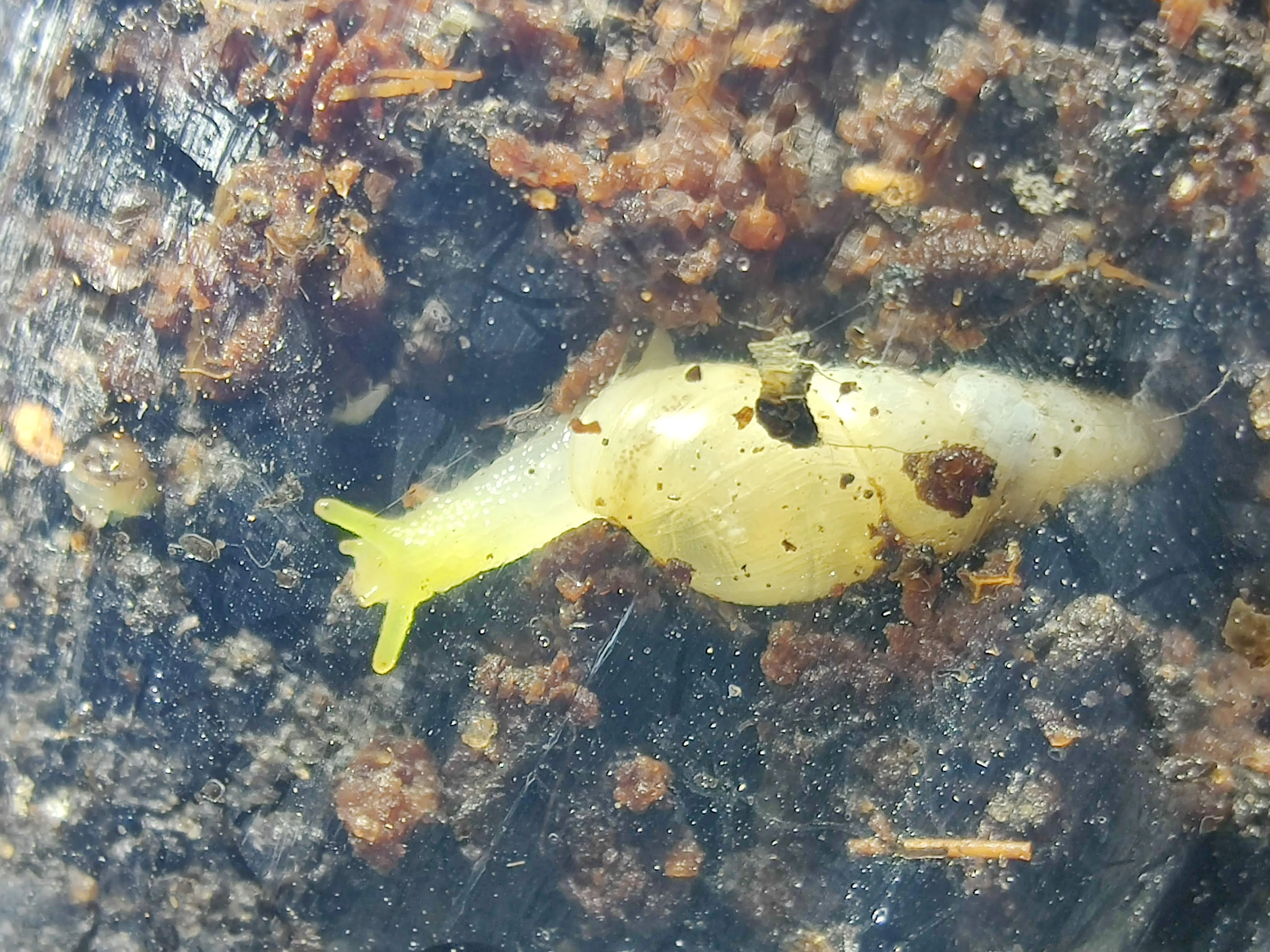
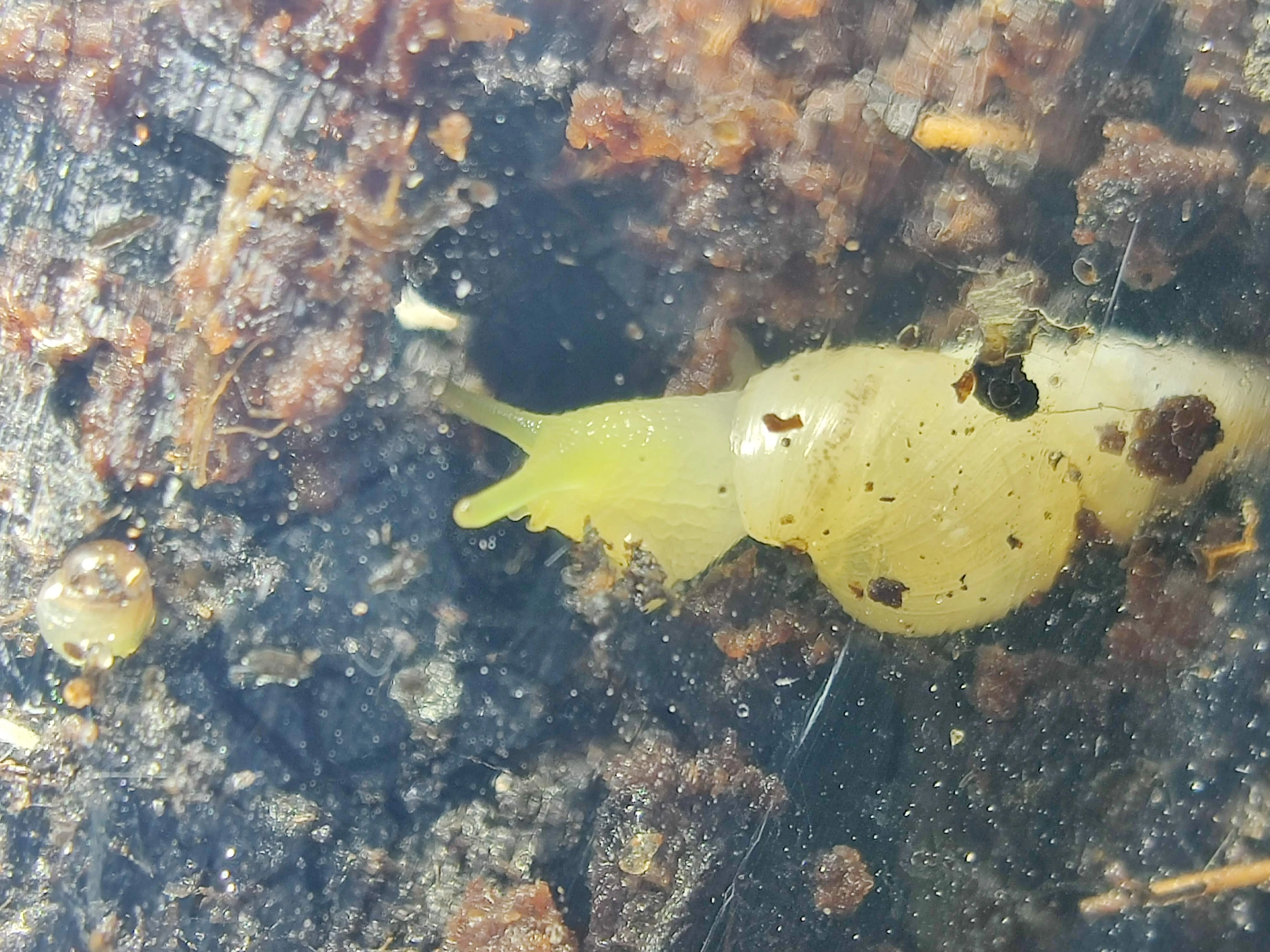
Allopeas gracile
Leave feedback on the product

Wybierz wariant produktu:
Individual variants may differ in price
Ask about the product

Administratorem danych osobowych jest PHU Krystian Solga. Przetwarzamy je w celu przesłania odpowiedzi na zapytanie. Więcej informacji dotyczących przetwarzania danych osobowych znajduje się w polityce prywatności.
Share the product card



Shipping cost for the selected product
The shipping cost applies to this product (in the selected variant - if applicable). It may change after adding other products to the cart.
Description
Allopeas gracile
Imagine a miniature, tireless army traversing your terrarium under the cover of night, ensuring its spotless cleanliness. Allopeas gracile are tiny, translucent snails that have revolutionized the concept of a cleanup crew against mold. Although their slender, shiny shells reach only a few millimeters in length, these fascinating creatures perform titanic work, continuously utilizing what other organisms cannot handle. If you desire to create a healthy, fully balanced, bioactive ecosystem, these small snails will be its most valuable, hidden mechanism.
Unlike commonly used springtails and isopods, Allopeas gracile reach the tightest crevices and ruthlessly deal with dead matter. They are one hundred percent safe terrarium animals, originating from our closed, sterile cultures (CB - Captive Bred), which guarantees absolute epidemiological safety for your pets. Their extraordinary effectiveness and minimal requirements make them absolutely ideal for a terrarium with high humidity - from small enclosures for spiders, to large terrariums for amphibians and reptiles.
Due to population dynamics and the method of harvesting from our cultures, we ship individuals of random size - from 5 mm up to adulthood (depending on what we manage to catch). This ensures that your enclosure will receive animals in various stages of development, ready for immediate work and quick reproduction.
| Feature | Description |
|---|---|
| Latin name | Allopeas gracile |
| Target size | 7 - 12 mm (shell height) |
| Size of shipped individuals | From 5 mm to adulthood (random) |
| Optimal temperature | 25 - 30°C |
| Diet | Feeder insects remains, decaying vegetables, algae, molds, fungi |
| Type of reproduction | Hermaphroditism with autofecundation (self-fertilization) |
Tireless cleaners: Facultative necrophagy and bioturbation
What distinguishes Allopeas gracile from a classic cleanup crew is their incredible trophic versatility. These snails show strong tendencies for facultative necrophagy - they eagerly gather around dead remains of feeder insects (e.g. crickets or roaches), which often fall into the crevices of the substrate and rot. Thanks to their miniature mouthparts (radula), they lick off dangerous bacteria, mold and rotting tissues, preventing the formation of unpleasant odors. Additionally, their daily burrowing into the substrate during the day and emerging at night causes continuous microturbation of the soil. This natural, mechanical aeration eliminates the formation of anaerobic zones, saving delicate plant roots from rotting.
Reproductive biology and extraordinary adaptive abilities
From a biological point of view, these snails are perfect colonizers. They possess the ability of self-fertilization (autofecundation), which means that just one individual is enough to initiate the creation of a new, thriving population in your terrarium. They are also characterized by fascinating developmental plasticity - in times of food shortage, they direct all their life energy to accelerated development and reproduction, at the expense of achieving smaller final sizes. However, when the environment is rich in food, they grow slower but achieve the maximum, impressive sizes for this species.
Most common mistakes and how to avoid them
- Lack of an external source of calcium: Snails need calcium carbonate to build their transparent shell and produce eggs. Always provide them with constant access to crushed cuttlebone or specialized terrarium calcium. Its lack will lead to dwarfing and the extinction of the colony.
- Extreme drying of the substrate: Allopeas gracile categorically do not tolerate dry environments. In overdried soil, they enter a state of aestivation (summer sleep) closing the shell with a mucous epiphragm, and with a drastic lack of water, they can damage the root hairs of plants in search of rescue. Ensure regular misting and a thick layer of moist litter.
- Too low or lethally high temperature: Keeping them in cool conditions (below 20°C) drastically inhibits their metabolism and reproduction. On the other hand, temperatures consistently above 35°C are fatal to them. Maintain an optimal range of 25-30°C.
- Feeding hard, fresh leaves: Do not throw hard oak or beech leaves to them, expecting them to eat it. Their tiny teeth (radula) use so-called "window feeding" - they only scrape soft rot, algae and decaying vegetable tissues. Leave hard oak leaves for isopods!
Reviews
If you've added a review and it doesn't appear on the list, it may be pending moderation.
Leave feedback on the product
 Log in with Google

