

"Bamboo" Knotweed Tubes
Leave feedback on the product

Select product variant:
Individual variants may differ in price
Ask about the product

Administratorem danych osobowych jest PHU Krystian Solga. Przetwarzamy je w celu przesłania odpowiedzi na zapytanie. Więcej informacji dotyczących przetwarzania danych osobowych znajduje się w polityce prywatności.
Share the product card



Shipping cost for the selected product
The shipping cost applies to this product (in the selected variant - if applicable). It may change after adding other products to the cart.
Description
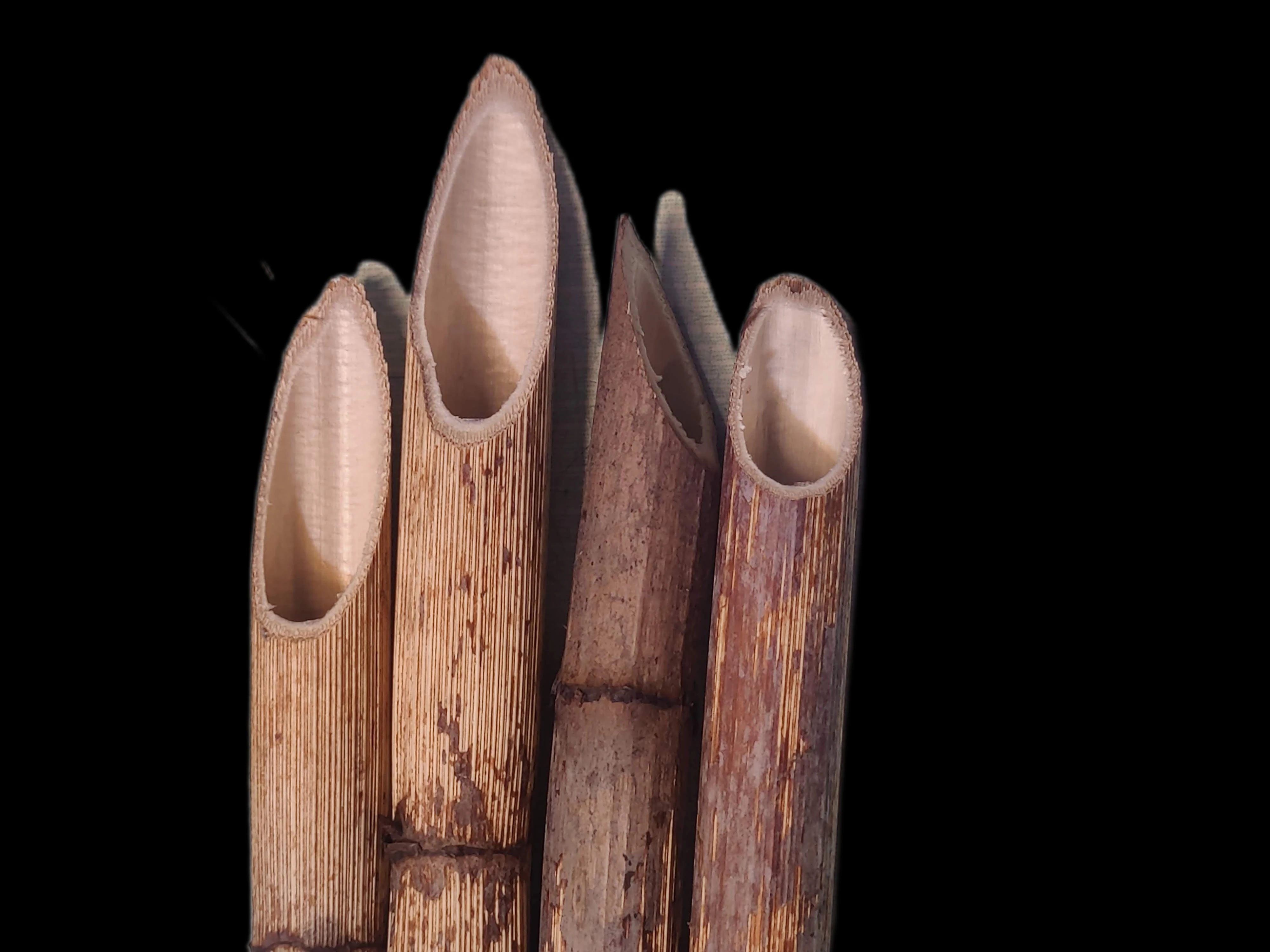
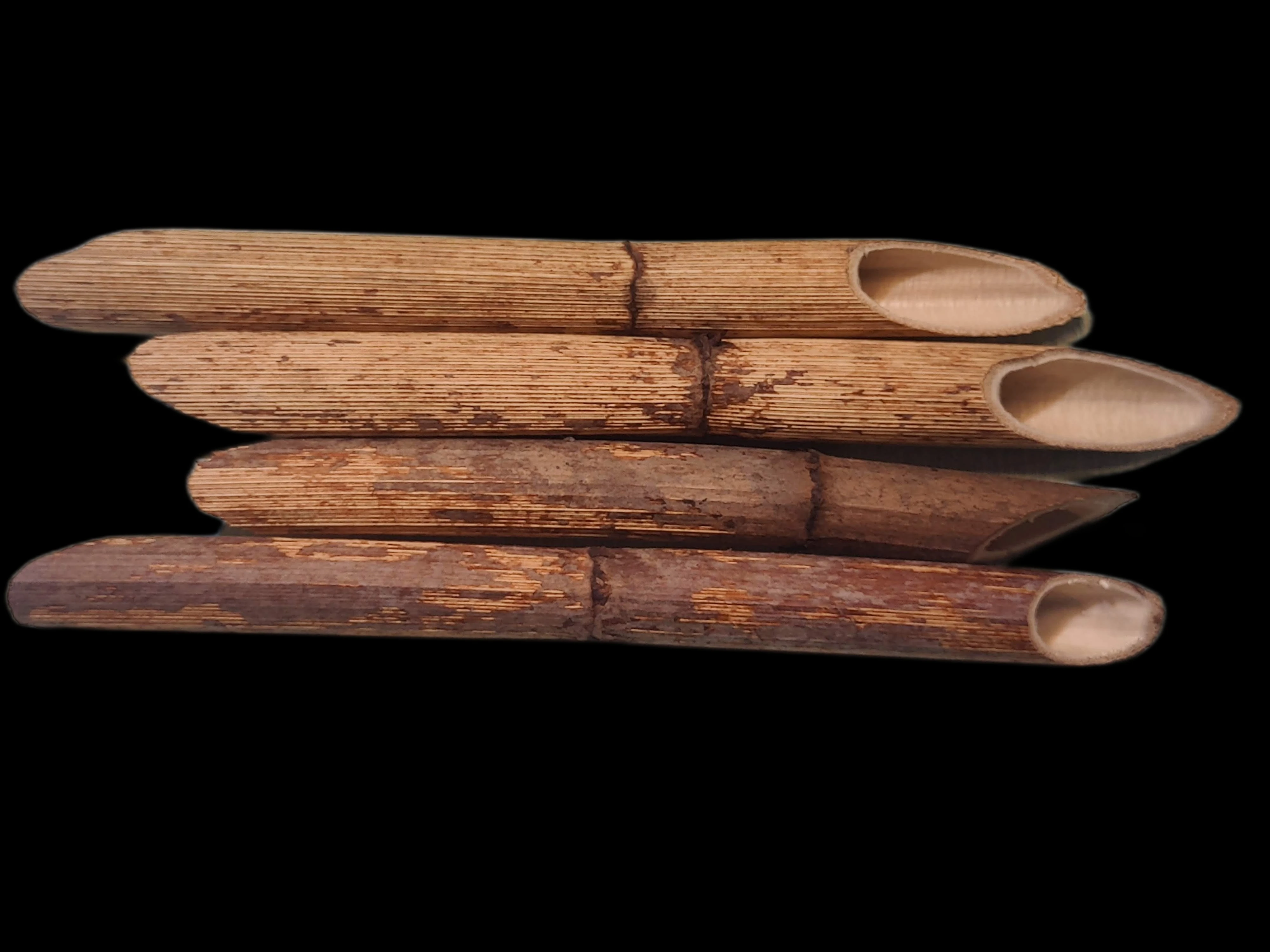
"Bamboo" Knotweed Tubes - Natural Micro-Hides and Bioactive Food in One
Imagine a terrarium decor element that not only captivates with its rustic, forest appearance, but above all becomes the thriving center of your terrarium. "Bamboo" Tubes made of Japanese knotweed (Reynoutria japonica), commonly referred to as Polish bamboo, are a unique, 100% natural botanical material that combines the function of a safe micro-hide, a climbing structure, and a slow-release food source for bioactive fauna. Thanks to their specific geometry and the presence of internal nodal septa, each tube creates two independent burrows with a blind back wall, providing invertebrates and small reptiles with conditions that perfectly match their evolutionary instincts.
| Feature | Description |
|---|---|
| Product | Natural Japanese knotweed tubes ("Polish Bamboo") |
| Botanical name | Reynoutria japonica |
| Length | Most commonly approx. 14 - 20 cm (5.5 - 8 in) (natural product, each piece is unique) |
| Outer diameter | Most commonly approx. 1.5 - 3 cm (0.6 - 1.2 in) |
| Finishing | Both ends always aesthetically and cleanly cut angled or straight |
| Internal structure | Natural nodal divider in the middle - not hollow through (2 independent, blind hides) |
| Coloration | Variable depending on the batch: shades of green, straw yellow up to deep browns |
| Drying degree | Most commonly fully dried (lignified), occasionally fresher depending on harvest date |
| Durability | In a dry terrarium: does not degrade for years. In moderate humidity: approx. 1 year. In tropical setups: slow decomposition after several months |
| Individual selection | If you care about a specific size, write to us before purchasing and make sure we can choose exactly what you need |
| Application | Hides and nesting sites for small lizards (e.g. geckos), jumping spiders, microhabitat and food for isopods and springtails |
Thigmotaxis and anatomy of a natural tube - dual secure burrow
The secret behind the immense popularity of knotweed tubes among animals lies in their architecture. In contrast to smooth plastic pipes or open bamboo poles, our tubes feature a natural nodal septum (joint) located roughly in the center.
This means the tube is NOT hollow all the way through. Instead, you receive two independent chambers with a blind, solid wall at the back.
From the perspective of animal biology, this is of fundamental importance. It exploits the phenomenon known as positive thigmotaxis - the innate need for physical surface contact between the body and surrounding walls. When a small animal retreats into the tube and presses its back against the solid nodal septum, it gains absolute certainty that no predator can ambush it from behind. Such a structure drastically reduces environmental stress, lowers metabolic expenditure, and provides a sense of complete safety.
A dream hide for micro geckos and arboreal invertebrates
These natural tubes are absolutely ideal in a terrarium with small lizards and arachnids. Owners of micro geckos delight in observing how their pets spend entire days inside the tubes, poking only their heads out through the cut opening to watch their surroundings and hunt passing insects.
- Mourning geckos (Lepidodactylus lugubris): In the breeding of this parthenogenic species, knotweed tubes act as indispensable communal nesting incubators. Females deposit adhesive eggs inside that cement firmly to the wooden wall. Removing the entire tube with adhered eggs allows safe transfer of the clutch to an external incubator, protecting newly hatched young from cannibalism by adult individuals.
- Dwarf geckos (Sphaerodactylus, Gonatodes, Lygodactylus): Thin and medium tubes arranged horizontally or at an angle create three-dimensional living space, enabling females to evade mating pressure from territorial males and allowing precise thermoregulation across temperature gradients.
- Jumping spiders (Salticidae) and arboreal tarantulas: Inside the blind corridors, spiders effortlessly spin dense, hammock-like sleeping retreats, finding a stable microclimate essential for a safe molting process.
- Formicariums: Dry, lignified tube segments can also serve as natural furnishings for a formicarium, providing an intriguing enrichment element inside the outworld for ants.
Food and microhabitat for isopods and springtails
A Polish bamboo tube is not just a shelter, but also a dynamic biological buffer. In enclosures where dedicated isopod substrate is used, this wood becomes an invaluable, self-renewing pantry.
- Diverse isopod species: Active climbing species inhabiting higher leaf litter strata and vegetation (e.g. Laureola sp., Merulanella, Cristarmadillidium, certain Porcellio) love both roaming over the outer tube surface and resting in its secluded interior.
- Food rich in lignin and cellulose: Feeding on decaying organic matter, isopods, a true cleanup crew, steadily graze on the softening knotweed walls. In this way, isopods in the terrarium draw essential structural nutrients from it, slowly converting the wood into natural organic fertilizer for plants.
- Anti-fungal grazing grounds: Introducing springtails into the terrarium creates an ideal environment on the moist knotweed surface for hunting mold and fungal spores. An active bioactive cleanup crew continually cleans the wood, providing excellent mold protection in the terrarium.
Durability depending on the biotope - how does knotweed behave?
The lifespan of the tube is closely linked to the humidity level in your enclosure:
- Dry and desert-steppe terrariums: Knotweed does not undergo any biodegradation. It retains its hardness, color, and structure for years.
- Terrariums with moderate humidity (50 - 70%): The tube easily lasts about a year, gradually and slowly darkening.
- Tropical terrariums with very high humidity (80 - 90%+): Under continuous misting, the tube walls slowly absorb moisture and after a few months begin a natural biological decomposition. This is not a defect, but a fully intentional ecological process - softening fibers become a delicious treat for isopods and springtails.
Give your animals a shelter they will love from day one. Choose natural, safe "bamboo" knotweed tubes and create a unique bioactive landscape in your enclosure!
Reviews
If you've added a review and it doesn't appear on the list, it may be pending moderation.
Leave feedback on the product

