

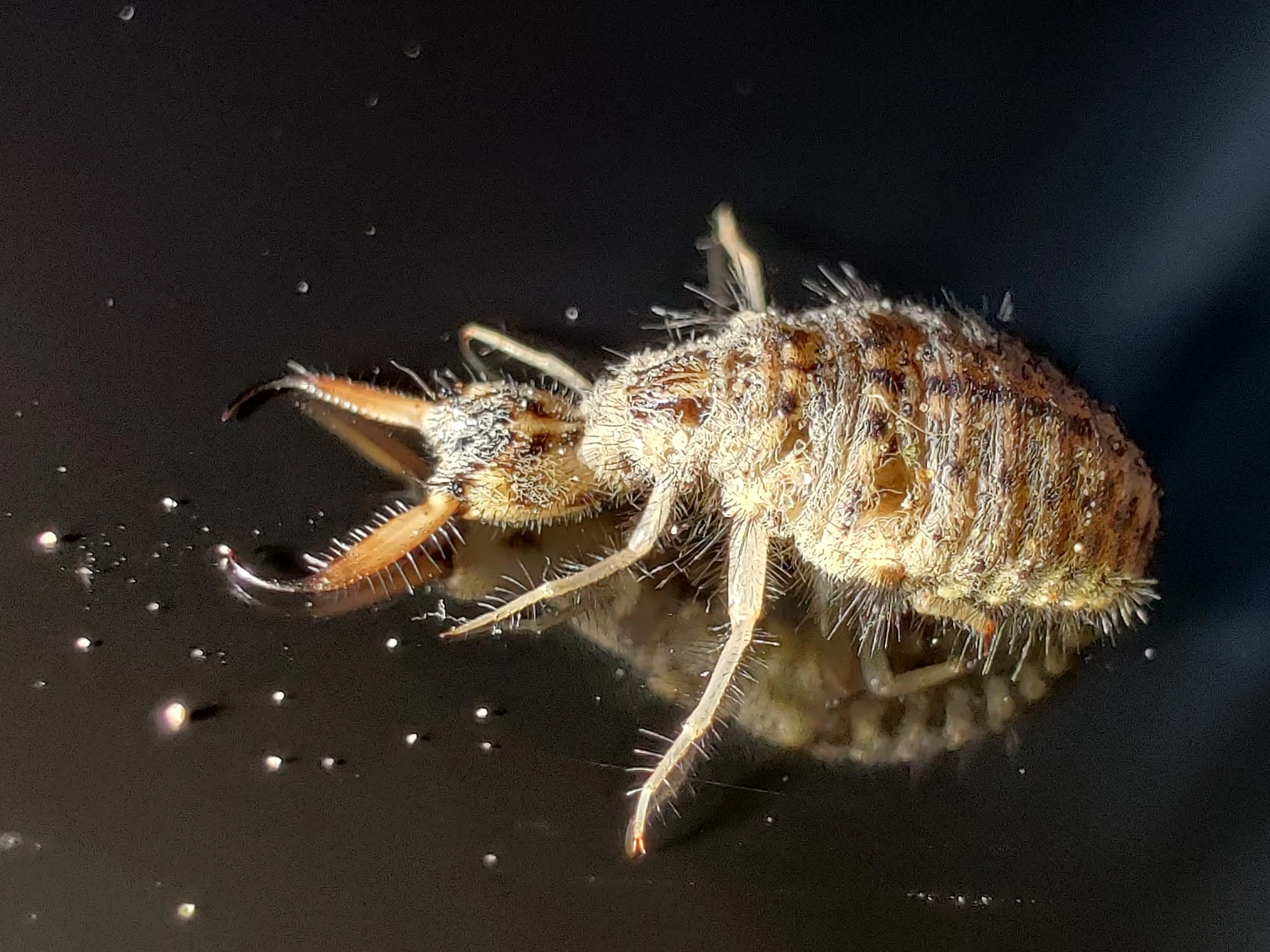
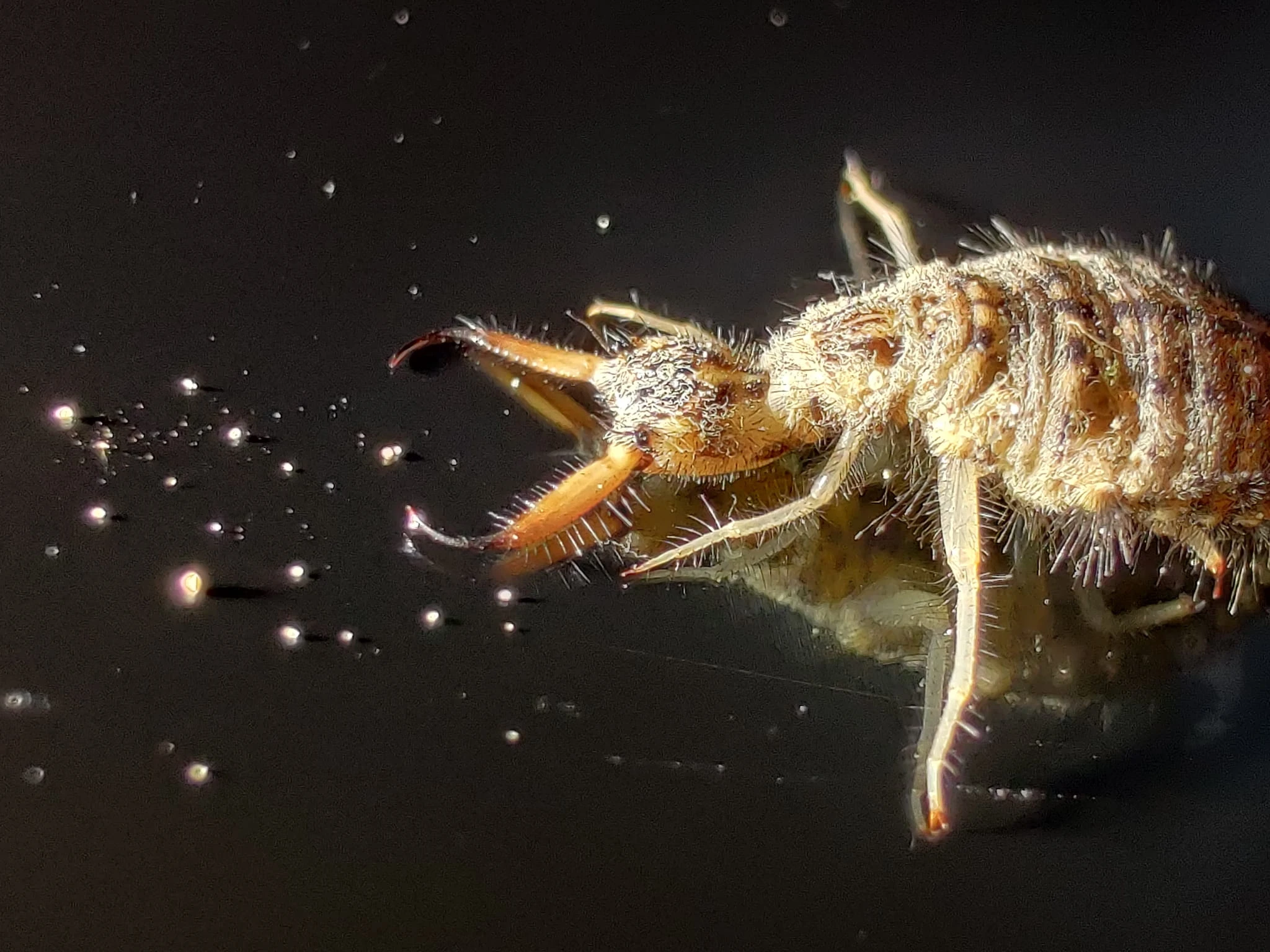
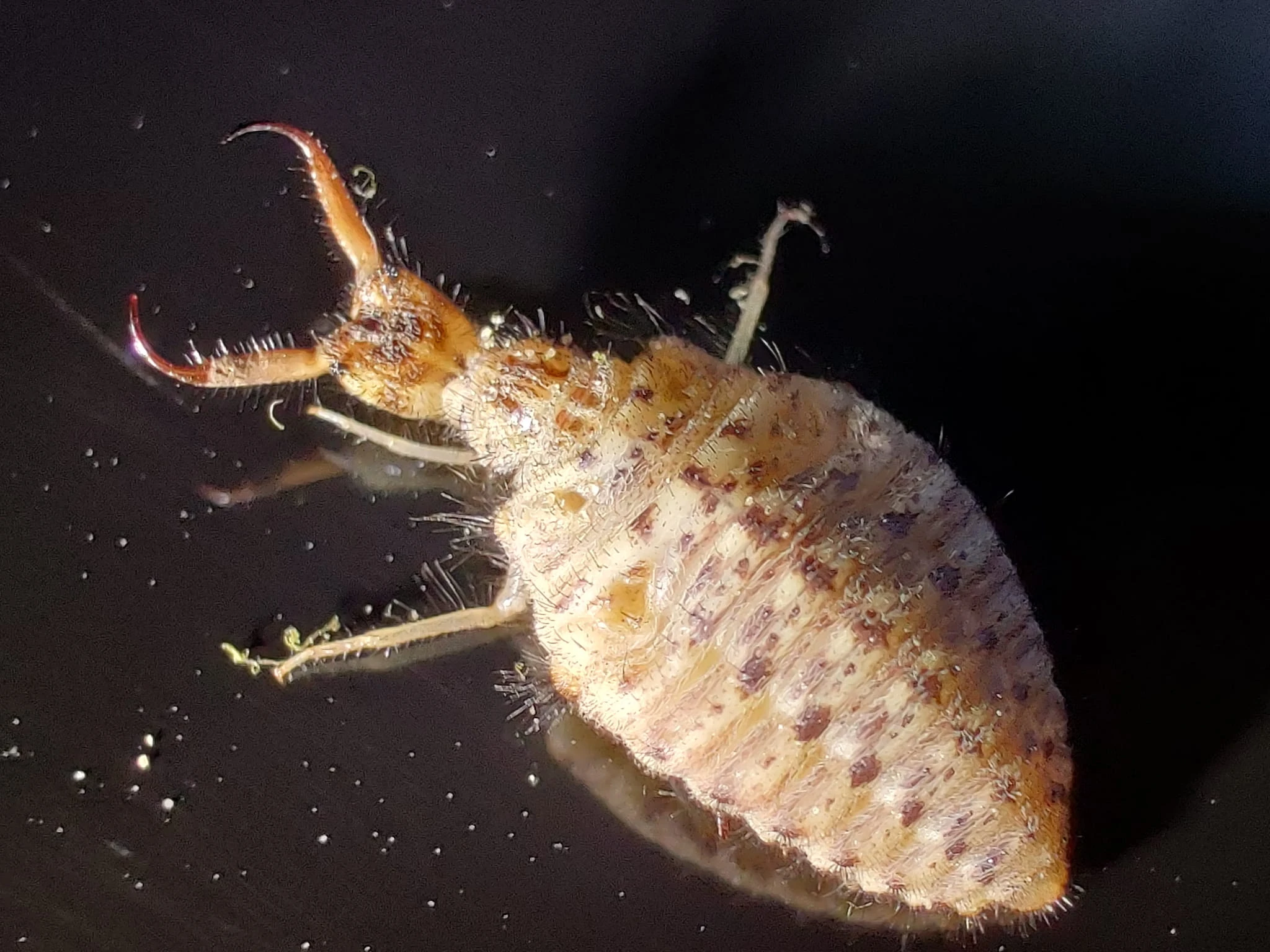
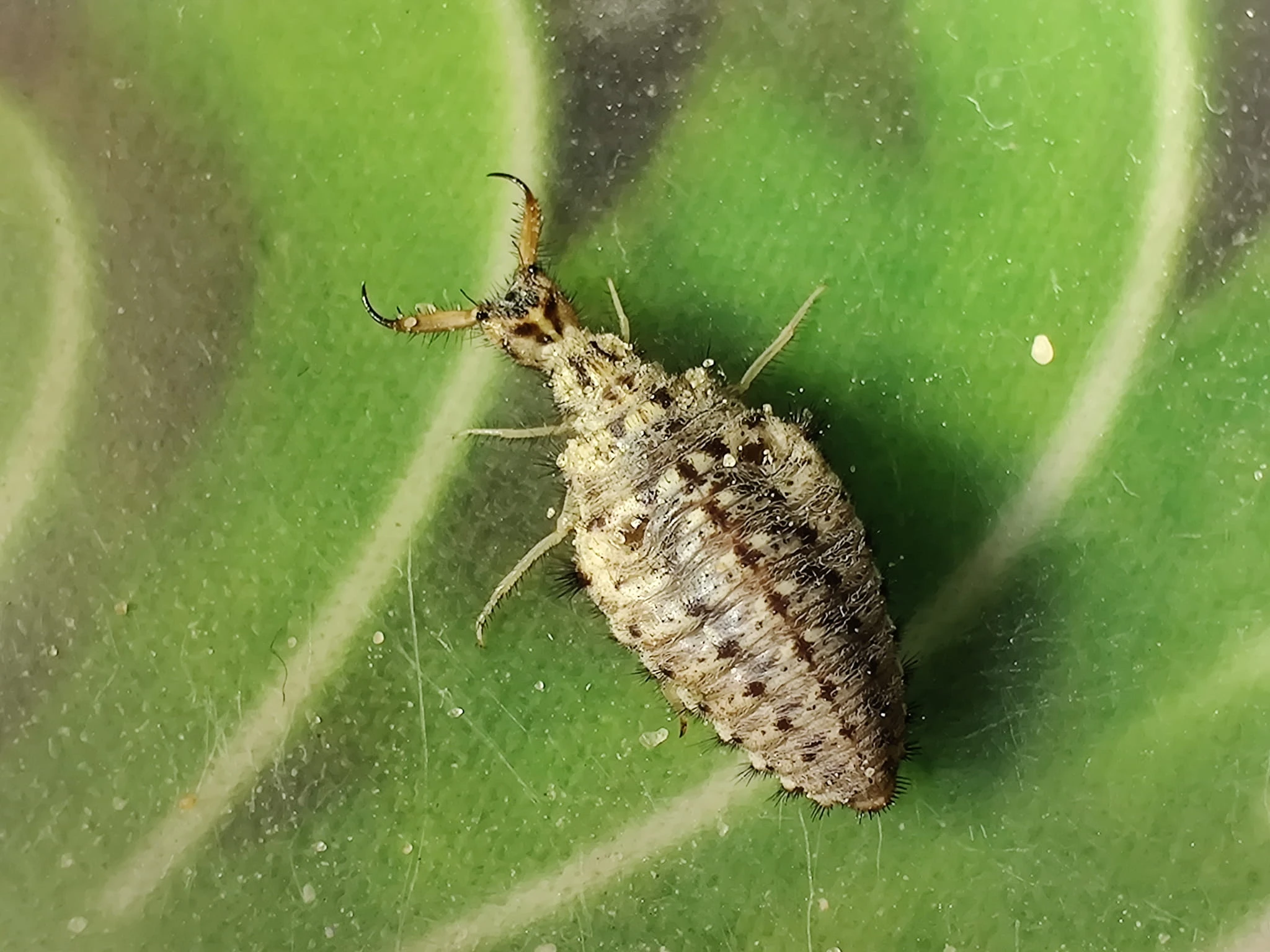
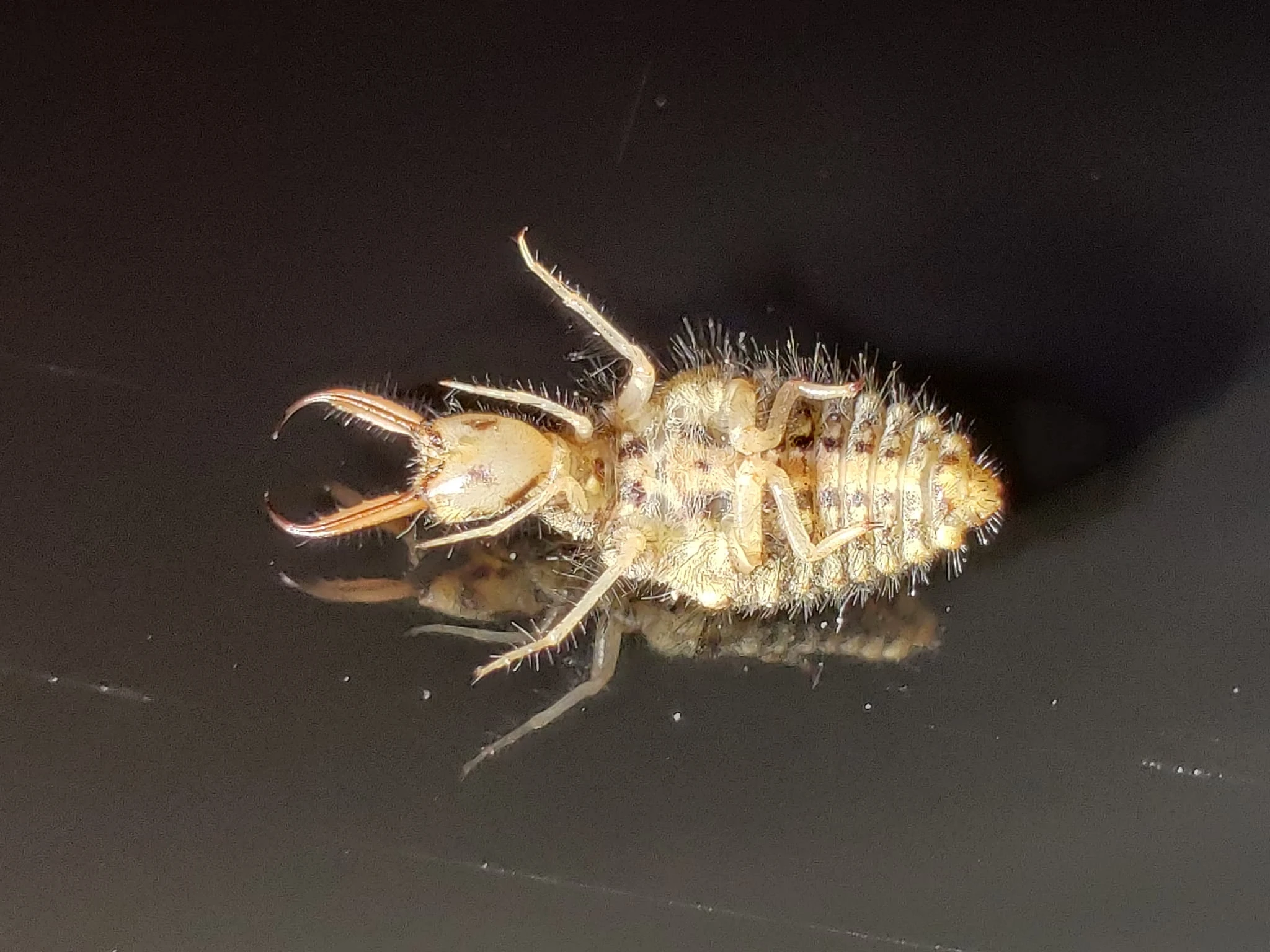

I ordered 2 antlions and got 2 antlions. Thats fascinating
Antlion larva
Leave feedback on the product

Antlion larva
€3.38
Price
€3.38
Regular price:
€3.38
0%
The lowest price during 30 days prior to the reduction:
€3.38
0%
€3.38
Price
€3.38
Regular price:
€3.38
0%
The lowest price during 30 days prior to the reduction:
€3.38
0%
Select product variant:
Individual variants may differ in price
in stock
Ask about the product

Antlion larva
The controller of your personal data is PHU Krystian Solga. We process them to respond to your inquiry. More information regarding personal data processing can be found in our privacy policy.
Share the product card


Shipping
from
€2.25
-
InPost Courier
(Poland)
from
€2.25
-
InPost Courier
(Poland)
Shipping cost for the selected product
The shipping cost applies to this product (in the selected variant - if applicable). It may change after adding other products to the cart.
Description
Description
Antlion (Euroleon nostras)
The antlion is an extraordinarily fascinating insect that captures attention for many reasons, but two of them are the most remarkable.
Appearance. The morphology of the antlion larva surprises the observer right from the start, as this creature looks unlike anything you might have seen before. Prominent, long mandibles lined with multiple small "teeth" clearly indicate their predatory purpose. You can imagine the antlion putting them to use (or watch them in the video links below!). Another rather unusual feature is its abdomen. It is large, elliptical, and appears almost too heavy for an insect of this size—which is merely an illusion, as the antlion is an exceptionally agile and efficient hunter. Interestingly, it is with this abdomen that the antlion digs its characteristic sand pits, which you can also see in the video below.
The second reason to observe antlions is the hunting behavior of this small predator. The antlion has few equals in the insect world and among arthropods in general. If you are interested in predatory insects, this is an absolute must-have in your collection. Like an ancient assassin, the antlion ambushes its unsuspecting prey. It first buries itself in fine sand to construct a conical pit, then waits at the bottom for prey to fall in. When an insect enters the trap, the antlion flicks sand grains at it to destabilize its balance and cause it to slide directly into its waiting mandibles, before injecting digestive enzymes and sucking out the liquefied nutrients. Contrary to what the name suggests, its diet is diverse and not limited exclusively to ants. In practice, virtually any careless small insect or spider can become a meal.
Does the small size of the antlion limit the size of its prey? Naturally to some degree, but the insect can easily tackle prey several times larger than itself. See for yourself!
In this video, you can watch an antlion digging its sand pit and skillfully taking down a much larger cricket:
https://www.youtube.com/watch?v=ZyjDUoUQ134
There is also nothing stopping it from preying on a venomous scorpion. Don't believe it? Take a look!
https://www.youtube.com/watch?v=0kOeO3amlAw
We offer larvae in various sizes—the price remains the same. A small larva initially provides less immediate feeding action but will remain in the larval stage longer. A large larva offers instant maximum entertainment but will transition to the adult stage sooner, which should simply be released outdoors into nature. If a specific size is out of stock, we may send the next size up (e.g., small instead of very small).
You can purchase the antlion larva with or without a starter kit (choose your preferred option when adding to cart). The kit includes a 1-liter (0.26 gal) enclosure and 0.5 liters of natural sand from the antlion collection site.
Reviews
Reviews
Number of ratings: 46
If you've added a review and it doesn't appear on the list, it may be pending moderation.
Leave feedback on the product


Kenzo